Furniture Insights / Restaurant Furniture
A restaurant chair may look perfect in a showroom but become uncomfortable after a long meal. A table may photograph beautifully yet wobble on an uneven floor. A custom booth might fit the design concept but leave too little room for guests and service staff.
These are some of the reasons custom restaurant furniture needs to be specified differently from furniture intended for a home. Restaurant seating and tables must support the brand’s appearance while handling frequent use, spills, cleaning, movement and routine maintenance.
The value of custom restaurant furniture is the ability to coordinate dimensions, seating layouts, materials, upholstery and finishes around the way a restaurant actually operates. Customization can improve consistency across a dining space, but it does not automatically guarantee durability or lower costs.
This guide explains the principal furniture types, how common materials compare, what determines project costs and how restaurant owners, interior designers and procurement teams can prepare a more reliable bulk order.
What Is Custom Restaurant Furniture?
Custom restaurant furniture is designed, adapted or manufactured according to the requirements of a commercial dining project. Customization may involve a different chair finish, a specified tabletop size, a unique booth configuration or a complete coordinated furniture package.
Unlike standard catalog products, customized furniture can be planned around the restaurant’s floor plan, seating arrangement, design direction and operational needs.
Common applications include independent restaurants, cafés, hotel restaurants, bars, food halls, franchise locations and other hospitality venues.
Not every furniture item needs to be made entirely from scratch. Some projects combine standard commercial chair frames with custom upholstery, finishes or table dimensions. Others require purpose-built banquettes and counters that must follow the architectural drawings.
The important distinction is that customization should solve a defined design or operational problem, rather than simply make a product look different.
Restaurant Furniture Types: Chairs, Tables, Booths and Bar Stools
A restaurant furniture package typically includes several seating and table types. Each needs to be selected according to its location, frequency of use and the experience the restaurant wants to create.
Dining Chairs
Custom dining chairs can be specified with selected frame materials, colors, upholstery and dimensions. They should feel comfortable, remain stable during repeated use and be easy for staff to move when resetting tables.
Consider chair weight, back support, joinery, seat cushioning and whether chairs need to stack. An attractive dining chair that is difficult to clean or handle can create operational problems.
Dining Tables
Dining tables combine a tabletop with a suitable base or supporting structure. Buyers should check stability, edge finishing, cleaning requirements and the relationship between table height and chair dimensions.
For modular dining layouts, repeated table sizes may offer more flexibility than one large fixed configuration.
Booths and Banquettes
Booth seating is often customized to match wall dimensions, corners or the shape of the dining area. Banquettes can also create a consistent visual line while allowing different table combinations.
These products require particular attention to seat height, seat depth, backrest angle, upholstery, installation access and cleaning around the base.
Bar Stools and Counter Seating
Bar stools should be selected around the actual counter height, expected sitting duration and stability requirements. Footrests and appropriately positioned backrests can influence comfort.
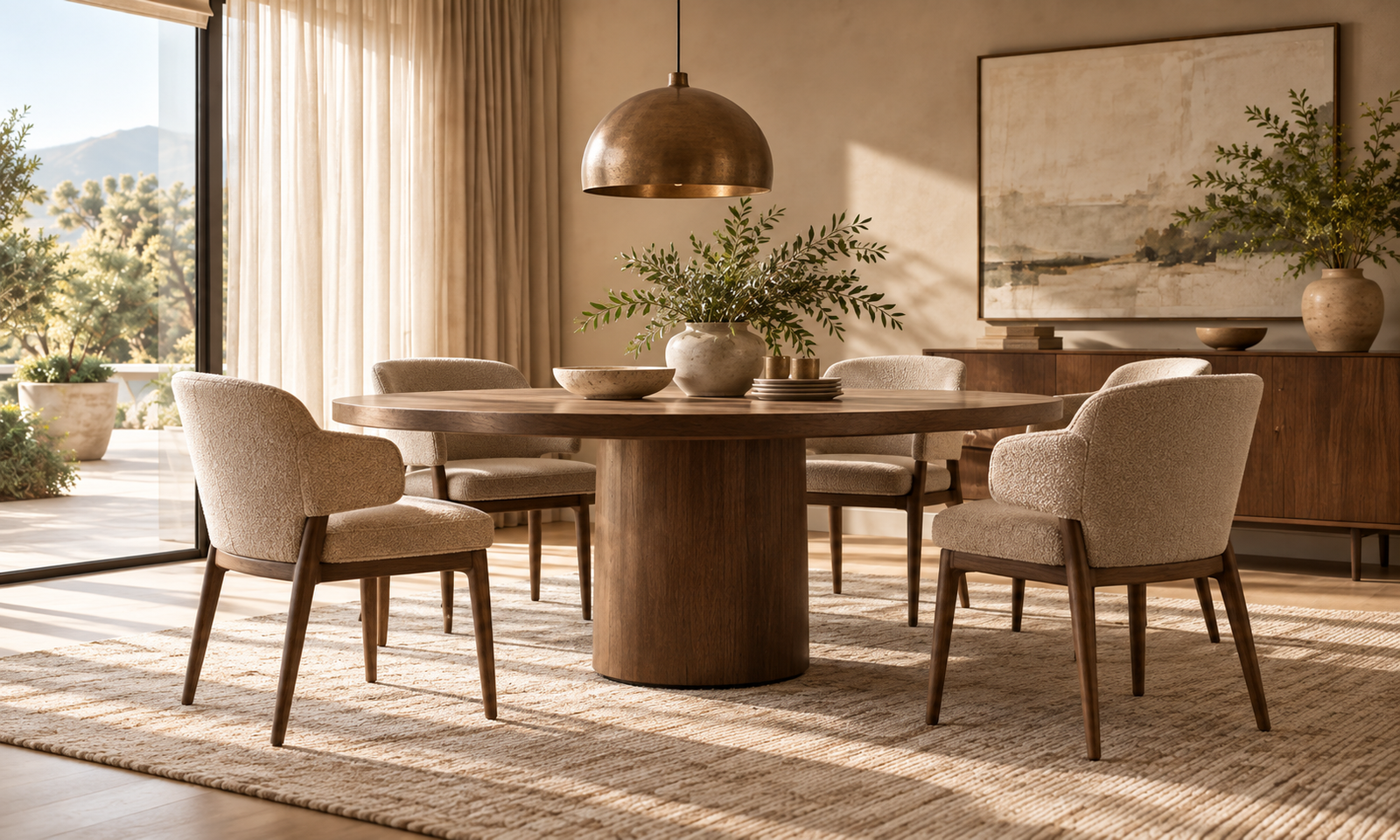
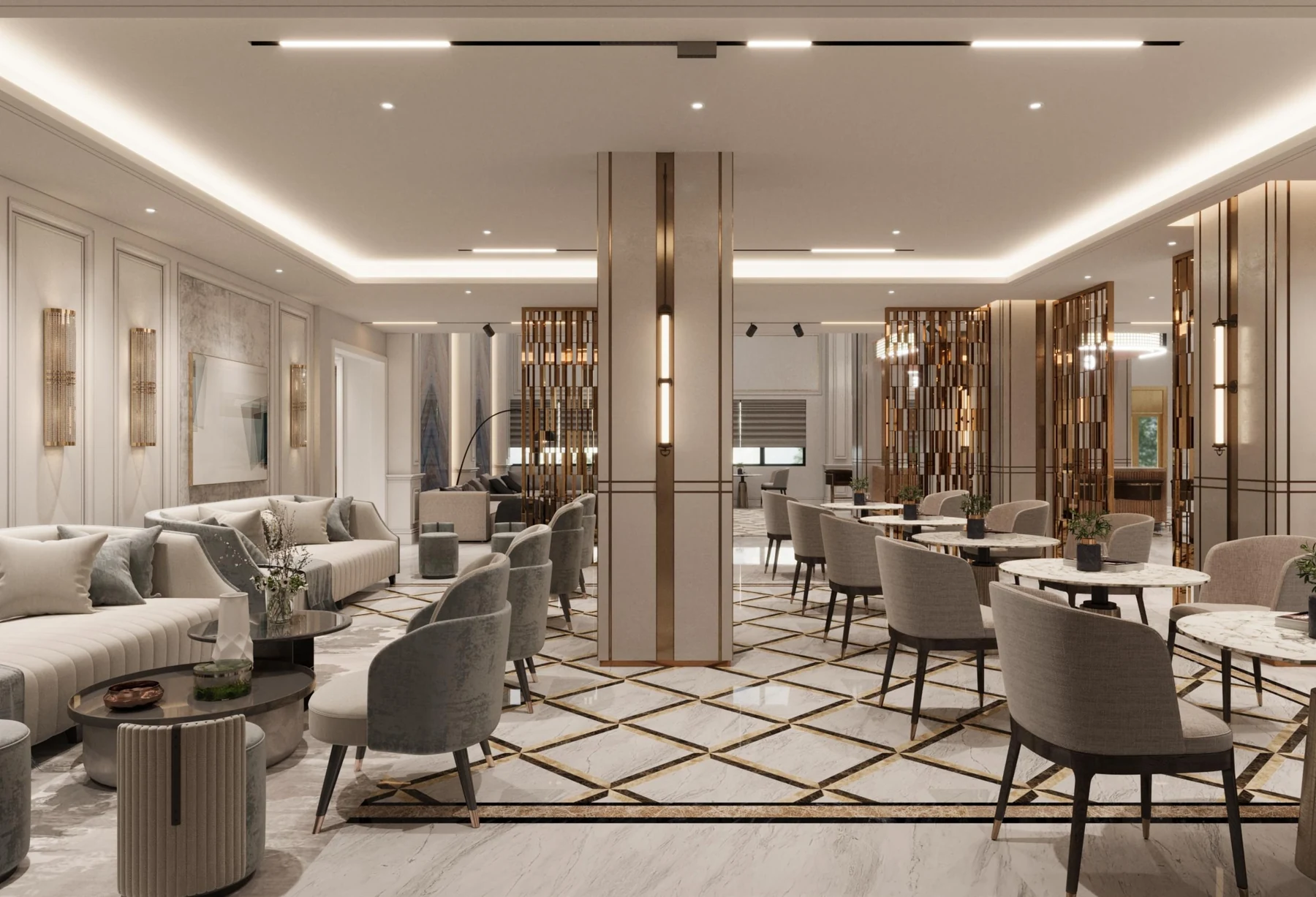
A coordinated furniture package does not require every piece to have an identical finish. It means creating a deliberate relationship among seat dimensions, table shapes, materials, colors and the overall interior concept.
Plan the Dining Layout Before Finalizing Furniture Dimensions
Restaurant furniture should be selected from a workable floor plan, not just from attractive reference photographs. The seating layout affects guest comfort, circulation, service routes, accessibility and how efficiently the space can be used.
Start by establishing table positions, expected party sizes, fixed architectural elements and the areas that must remain clear for staff and guests.
Questions to Resolve in the Floor Plan
- Will the restaurant mainly serve couples, small groups or larger parties?
- Where will flexible tables be more useful than fixed booths?
- How much space is needed for occupied chairs and service circulation?
- Will staff need to combine or separate tables during service?
- Are there door swings, columns, steps or equipment that affect furniture placement?
- Which accessible seating and circulation requirements apply locally?
A booth drawn to fit a wall does not necessarily mean that the table position or guest entry will work comfortably. Seating dimensions should be reviewed together with the complete dining arrangement.
Commercial projects should also confirm accessibility, fire and egress requirements with the local design and compliance team. A generic seating-capacity estimate is not a substitute for an approved floor plan.
What Are the Best Materials for Custom Restaurant Furniture?
There is no single best material for every restaurant. A fine-dining venue may prioritize a warm wood finish and tailored upholstery, while a high-turnover café may place greater emphasis on wipe-clean surfaces and furniture that can be moved quickly.
Material specifications should reflect the intended use, cleaning procedures, environment and replacement strategy.
Solid Wood and Engineered Wood
Solid hardwood can create a warm, refined appearance and may allow refinishing, depending on the product. Its durability still depends on joinery, moisture conditions and the finish applied.
Engineered wood products, including suitable plywood and veneered panels, offer other construction and cost options. For tabletops and cabinetry, substrate quality, edge sealing and surface protection need to be confirmed.
Metal Frames and Bases
Steel and aluminum are common options for chair frames and table bases. Their suitability depends on construction, surface treatment, welding or mechanical connections, product weight and exposure conditions.
A properly specified metal frame can be practical for frequently used seating. Buyers should examine its actual construction rather than relying on the word “metal” as a guarantee of quality.
Laminate and Other Tabletop Surfaces
High-pressure laminate is often considered for commercial tabletops because suitable products can offer good surface durability and convenient cleaning. Edges and the underlying core remain important parts of the specification.
Stone, porcelain, solid-surface and wood tabletops provide different visual and maintenance characteristics. Their weight, stain response, impact behavior and suitable cleaning products should be reviewed before selection.
Restaurant Furniture Material Comparison
| Material | Typical Application | Key Consideration |
|---|---|---|
| Solid Wood | Dining chairs, table edges, feature furniture | Joinery, finish protection and maintenance |
| Engineered Wood / Veneer | Casegoods, panels, selected tabletops | Core quality, moisture protection and edge finishing |
| Steel / Aluminum | Chair frames, table bases, bar stools | Structural connections, surface finish and stability |
| High-Pressure Laminate | Commercial tabletops and counters | Surface grade, substrate and exposed edges |
| Stone / Porcelain | Feature tabletops and counter surfaces | Weight, support, staining and impact characteristics |
| Performance Upholstery | Dining chairs, booths and banquettes | Abrasion, cleaning compatibility and applicable fire requirements |
These are general material considerations, not product certifications. The manufacturer should confirm the actual construction and any relevant performance evidence for the specified product.
How to Specify Custom Restaurant Booths and Upholstered Seating
Booths and banquettes are among the furniture types most affected by layout and construction details. Unlike many loose chairs, they are often produced for a specific wall, corner or seating arrangement.
The frame, cushioning, upholstery and base all influence how the finished seating performs. Before ordering, confirm seat dimensions, backrest shape, upholstery seams, frame construction and access for installation.
Choose Upholstery for Real Cleaning Conditions
Restaurant upholstery faces contact with clothing, food, drinks and repeated cleaning. Performance fabrics and commercial vinyls may offer useful options, but their suitability depends on the individual material and the manufacturer’s cleaning instructions.
Request information on abrasion testing, stain resistance, color fastness and compatibility with the cleaning products the restaurant intends to use.
Where applicable, obtain evidence of compliance with the project’s upholstery fire-safety requirements. A fabric’s appearance or marketing description is not proof that it meets those requirements.
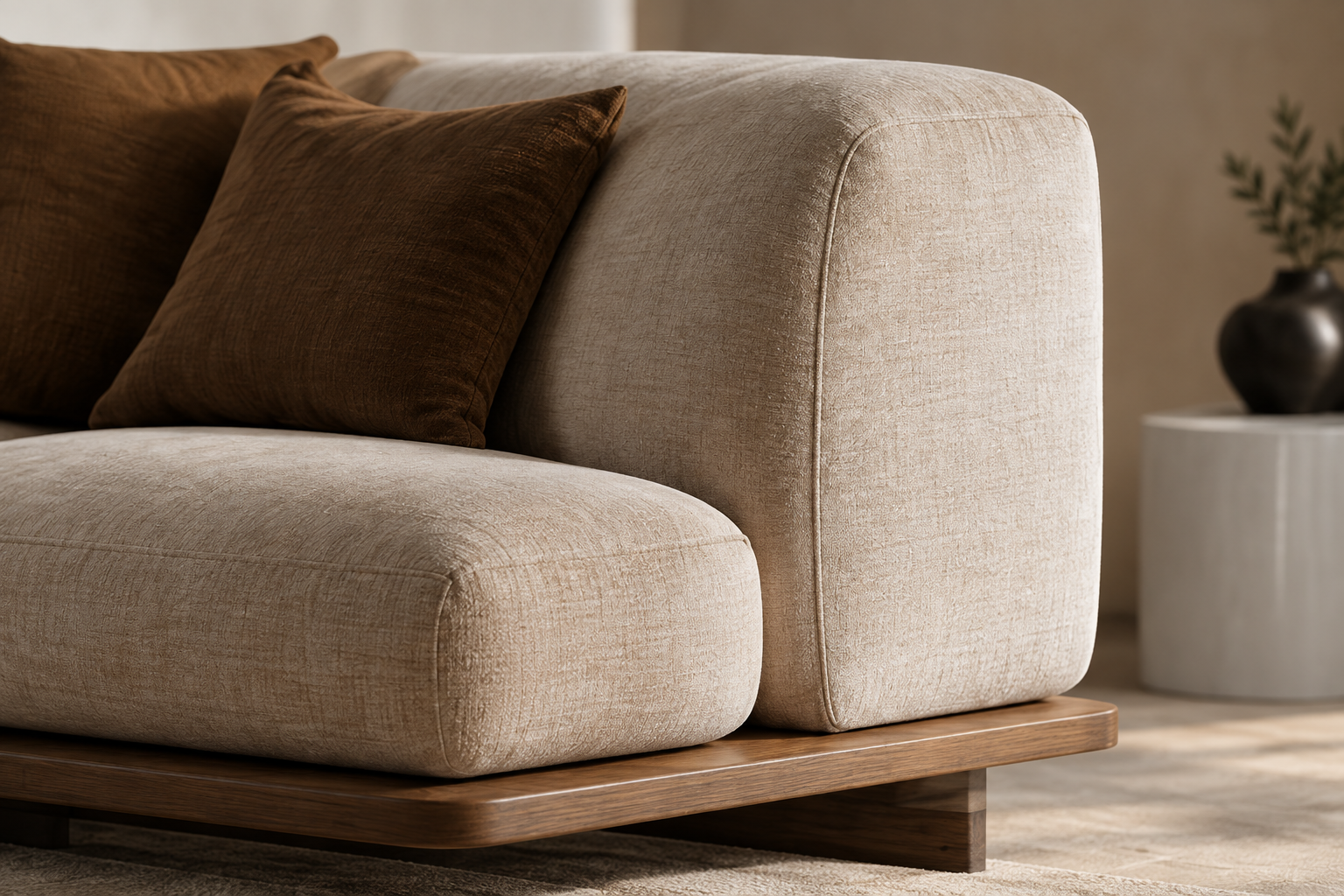
For larger quantities of built-in seating, approving a physical sample section can help check comfort, visible stitching, foam shape and cleaning access before the complete run is manufactured.
How Much Does Custom Restaurant Furniture Cost?
The cost of custom restaurant furniture depends on what is being ordered and how it is specified. There is no reliable single price per restaurant chair, table or booth without knowing the construction, materials, quantities and delivery requirements.
For example, a dining chair with a standard frame and an alternative upholstery color may have a different cost structure from a completely new chair design. A straight banquette built in repeated modules will also differ from a curved, heavily upholstered booth made to fit a particular corner.
Main Factors That Affect the Price
- Design complexity: New tooling, custom shapes, curved components and unusual details can add development work.
- Materials: Hardwood species, upholstery, tabletop surfaces, hardware and finishing methods influence the quotation.
- Order quantity: Repeat production can spread setup costs across more units, although savings depend on the design and factory.
- Sampling: Physical prototypes, finish revisions and technical approvals can create separate charges.
- Packing and shipping: Furniture volume, packing method, freight terms and destination requirements affect landed cost.
- Installation and replacement: Fixed booths and large commercial projects may involve site-specific expenses that loose furniture does not.
Compare Quotes on the Same Basis
Request a clear itemized quotation. Two manufacturers may offer the same visual design while specifying different frames, fabrics, foams or surfaces. A lower unit price is only useful when the compared specifications are equivalent.
A practical buying principle: Compare the total delivered cost and the expected maintenance or replacement requirements, not only the initial furniture price.
| Budget Component | Questions to Ask |
|---|---|
| Furniture Manufacturing | Are material grades, dimensions, finishes and quantities clearly specified? |
| Samples & Development | Are prototypes, revisions and approval samples included? |
| Inspection & Quality Control | Which checks and tests are included or charged separately? |
| Packaging | How are upholstery, frames and tabletops protected in transit? |
| International Shipping | Which Incoterms, freight charges, insurance and customs costs apply? |
| Site Delivery & Installation | Who handles unloading, assembly, fixed seating and any replacement work? |
For a multi-location restaurant program, it can also be useful to calculate the cost of future replacement pieces. An inexpensive product becomes less attractive if matching items cannot be obtained when required.
From Design Drawings to Approved Furniture Samples
Custom restaurant furniture usually requires more coordination than ordering standard items from a catalog. Clear approvals help prevent differences between the designer’s intention, the supplier’s quotation and the furniture that is ultimately manufactured.
Step 1: Define the Furniture Schedule
Create a schedule listing each item, its quantity, dimensions, intended material, finish and location. Use consistent item references so drawings, quotations and packing lists can be compared.
Step 2: Review Technical Drawings
Provide floor plans, elevations and furniture drawings where relevant. For fixed seating, include site dimensions and installation details. The manufacturer should identify any dimensional or structural issues before production.
Step 3: Confirm Materials and Finishes
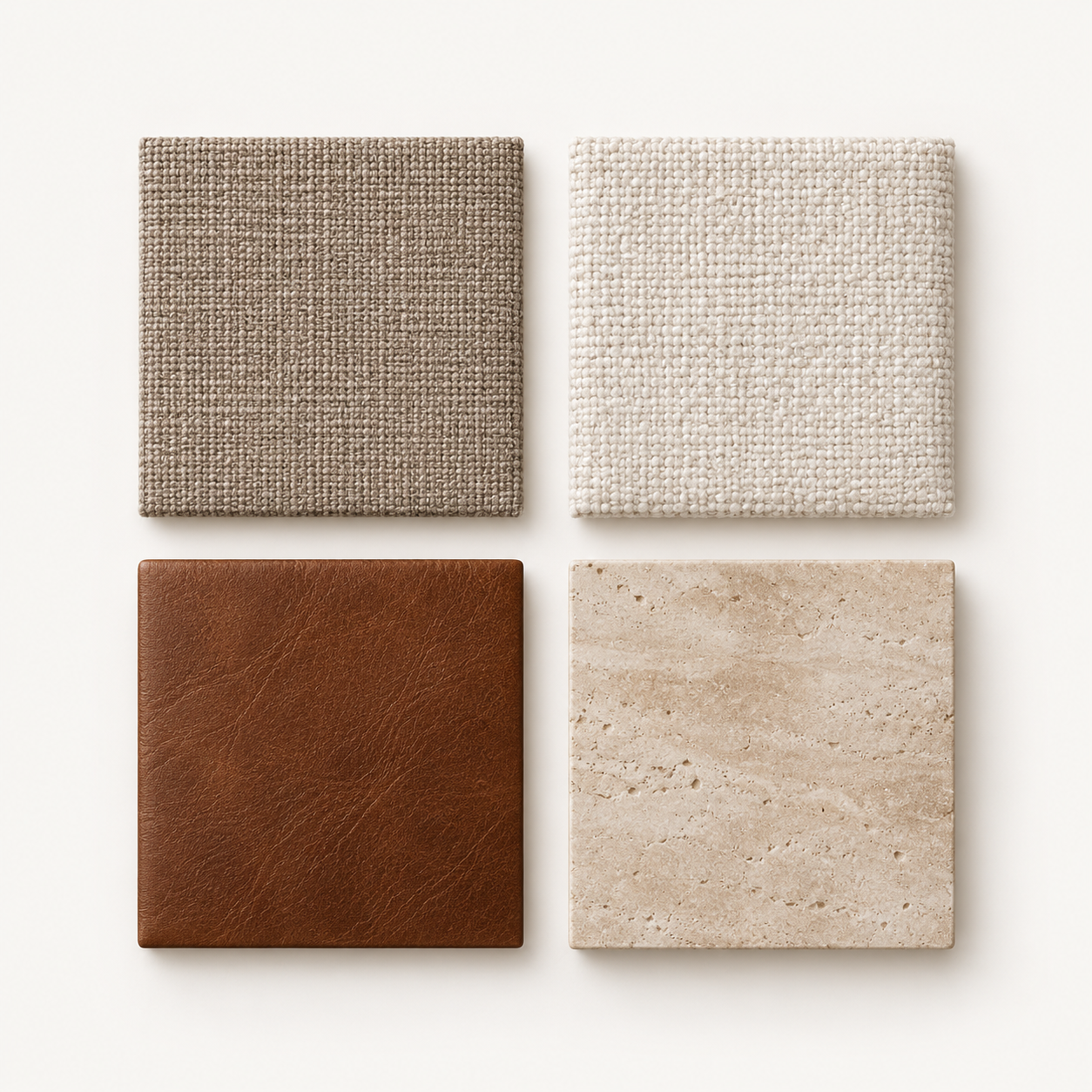
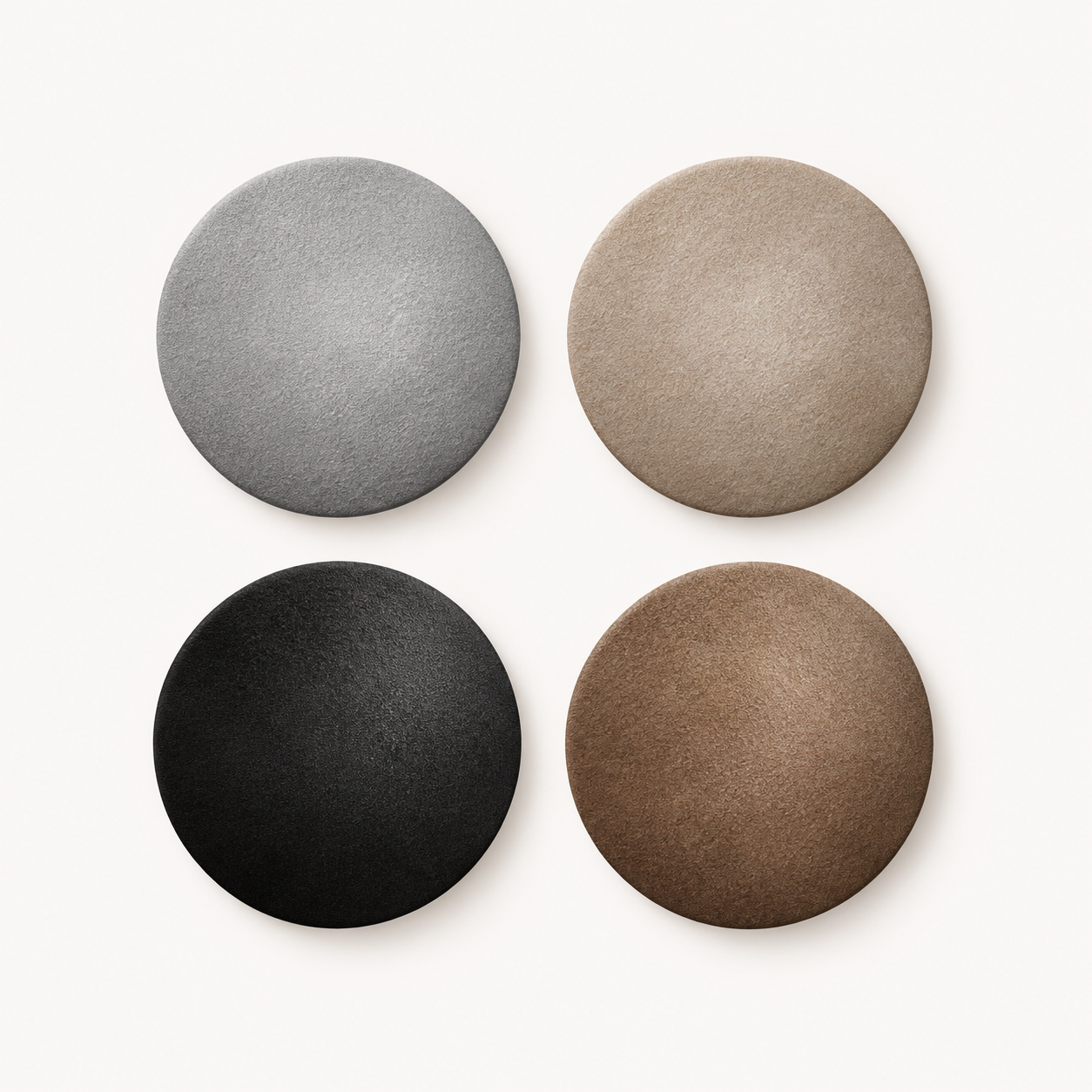
Approve physical material swatches, upholstery references, wood stains and tabletop finishes. Digital renderings are helpful visual references but should not replace material approval.
Step 4: Approve Representative Samples
For repeat orders, representative samples can help verify comfort, proportions, finish consistency and workmanship. Record any required changes before the production run begins.
Step 5: Release Bulk Production
Final production should reference approved drawings, specifications and samples. The project team should also agree on inspection stages and how deviations will be handled.
Evaluate Manufacturing Quality Before Bulk Production
Commercial furniture is used repeatedly by different people and maintained by staff who need predictable cleaning and replacement procedures. For this reason, the quality review should extend beyond the appearance of a product photograph.
For dining chairs, consider frame construction, joints, stability, seat fit and the attachment of upholstery. For tables, confirm base stability, surface protection and edge finishing. For booths, inspect the frame, cushion support, seams and visible alignment.
Buyers should also confirm whether the supplier can maintain consistent finishes across a full batch and support reasonable replacement requirements.
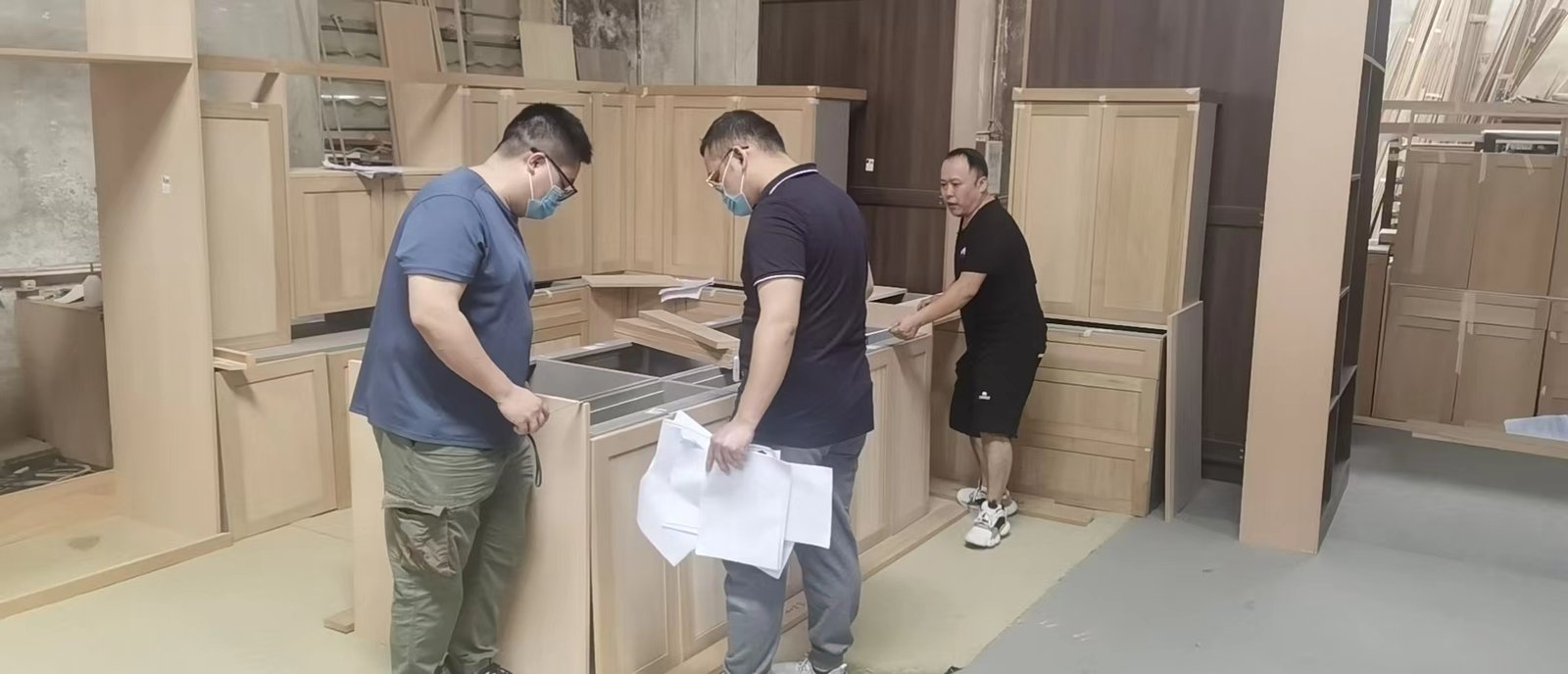
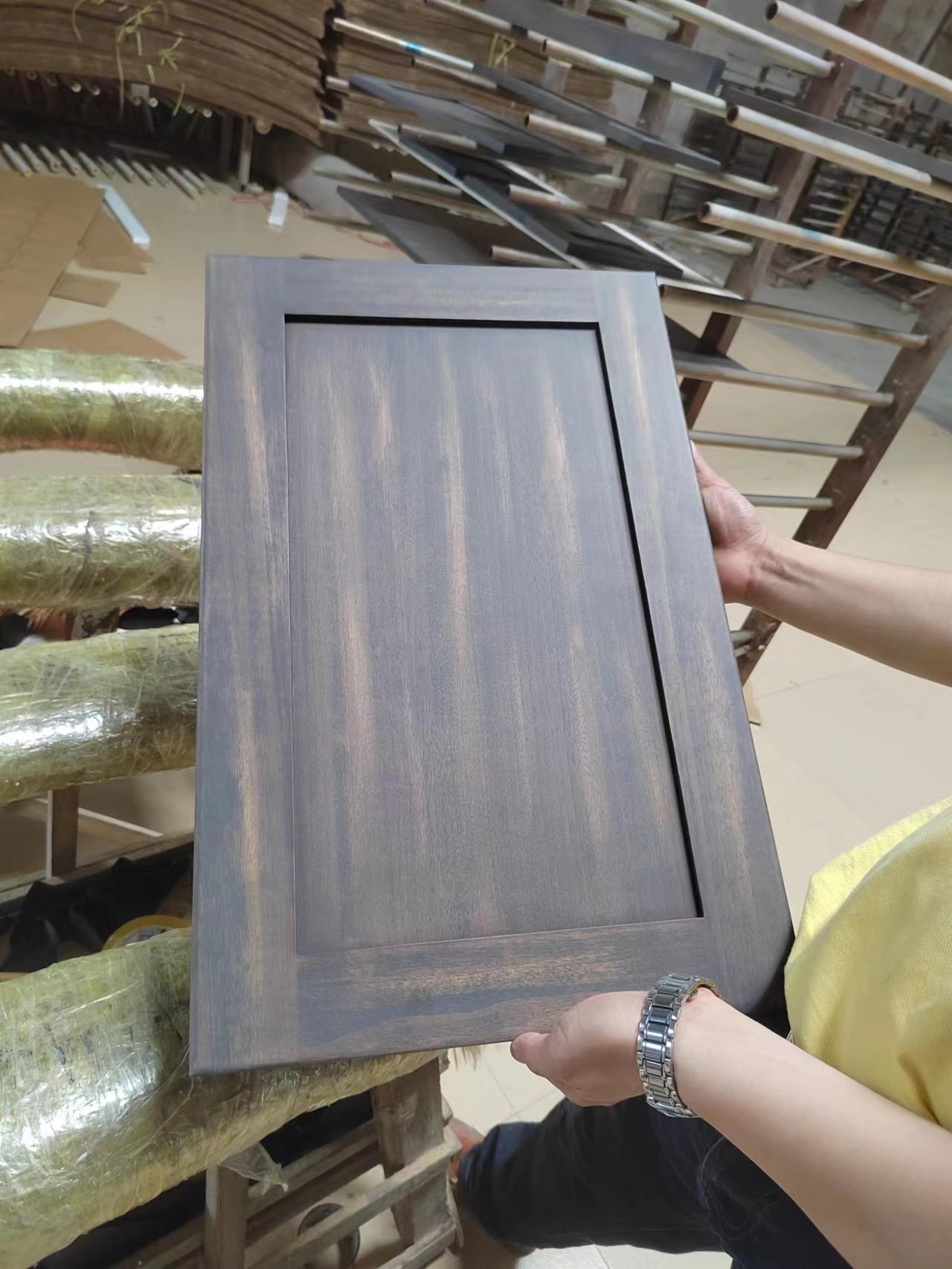
Before shipment, arrange inspections appropriate to the project and the relevant product specifications. These may include selected dimensions, visible finish quality, assembly, function, quantity and packaging.
A visual quality check does not establish compliance with every relevant performance or safety standard. Request separate testing documentation where it is required.
Planning Bulk Orders, Packaging and International Delivery
Restaurant furniture procurement often involves many repeated items with different packing requirements. Dining chairs, tabletops, metal bases and upholstered booths may need different methods of protection and handling.
Confirm which products can be disassembled, how many units fit in each carton or crate and whether assembly instructions and hardware will be included.
For fixed banquettes and customized counters, the supplier should also understand site access, installation sequencing and any dimensional constraints.
Production and Shipping Schedules
Request a project-specific timeline that separates technical confirmation, sample approval, bulk manufacturing, inspection and shipping. Avoid treating the quoted production period as the complete delivery period.
International orders may also involve origin transport, customs clearance, destination handling and local installation. These responsibilities should be documented in the purchasing agreement.
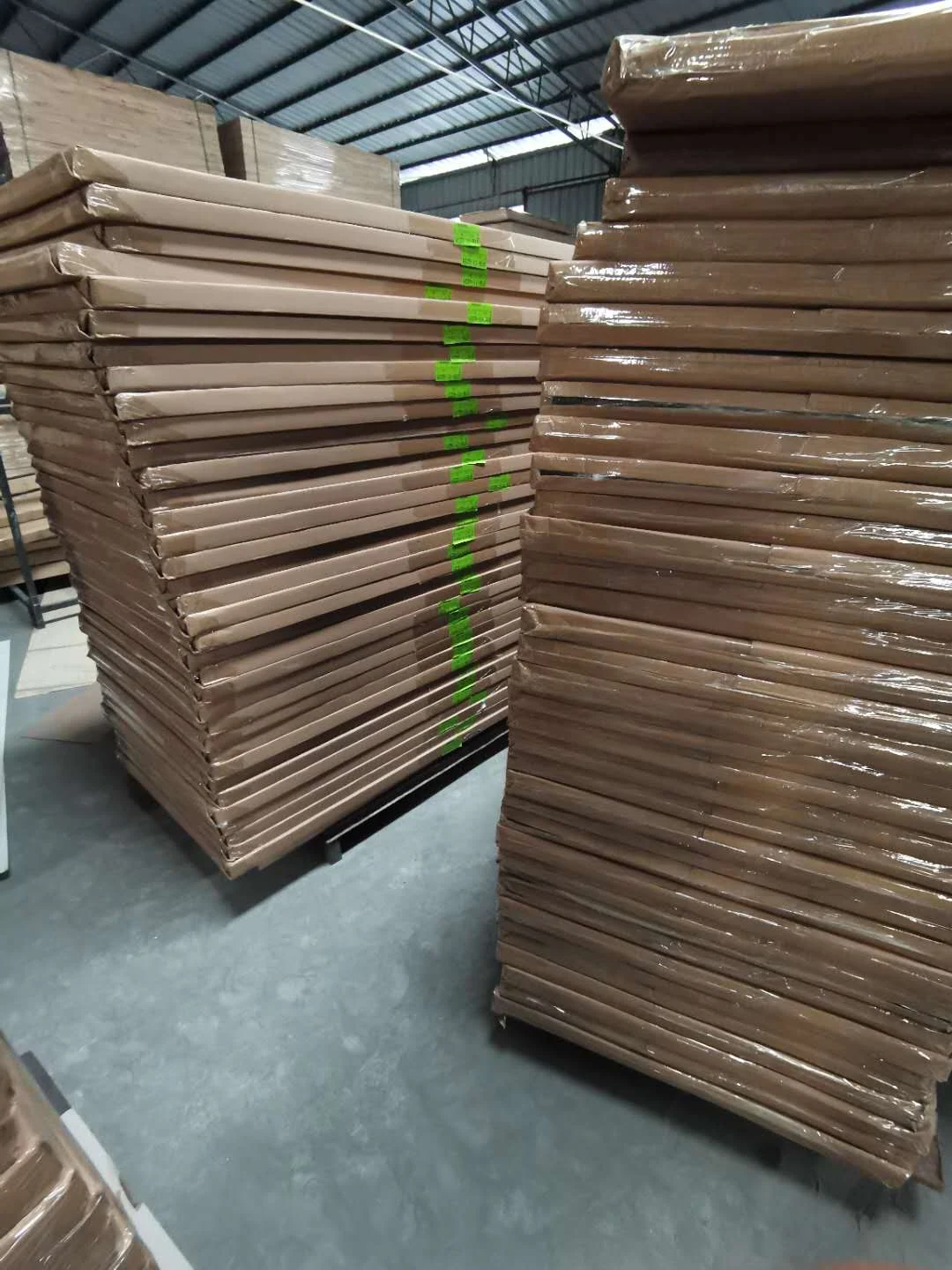
For restaurant chains or phased openings, consider how the supplier will maintain product references, upholstery colors and finish specifications for repeat orders.
Planning for replacements and additional locations can be as important as planning the first shipment.
What to Check Before Ordering Custom Restaurant Furniture
Before approving a restaurant furniture supplier, confirm the key technical, commercial and delivery requirements in writing.
- Do the furniture drawings and quantities match the approved restaurant layout?
- Are the chair frames, table bases and booth structures clearly specified?
- Are upholstery, foam, wood, metal and tabletop finishes identified?
- Have the applicable accessibility, performance and fire requirements been reviewed?
- Will the supplier provide finish samples or representative prototypes?
- What inspections and supporting documents are required before shipping?
- Are minimum order quantities and possible repeat-order requirements clear?
- What costs are included in the quotation, and what is excluded?
- How will damaged goods, missing parts or necessary replacements be handled?
- Who is responsible for delivery, installation coordination and any subsequent technical questions?
A detailed supplier discussion may take more time initially, but it can help identify unclear specifications and commercial responsibilities before they become expensive problems.
How George Group Supports Custom Furniture Projects
Restaurant furniture projects can involve more than dining chairs and tables. A complete interior may also require customized cabinetry, counters, selected lighting, wall finishes and other products supplied by different manufacturers.
George Group supports international residential, hospitality and commercial projects with furniture and multi-category sourcing. Our team works with project requirements, drawings, materials, finishes and production coordination according to the agreed scope.
For restaurant furniture enquiries, a useful starting point is to provide the dining layout, an item schedule, design references, target materials, quantities and required delivery destination.
Clear specifications help the project team identify suitable manufacturing and sourcing arrangements before preparing quotations.
Frequently Asked Questions
Is custom restaurant furniture more expensive than ready-made furniture?
Not always. Custom furniture can have additional design, sampling and manufacturing costs, but the final price depends on the specifications, quantity and production method. Standard commercial furniture may be more economical for simple requirements, while customization can offer advantages when special dimensions or coordinated finishes are necessary.
What is the most durable material for restaurant tables?
There is no universal answer. Commercial-grade laminate, suitably finished solid wood, stone and other surfaces have different strengths. The right choice depends on cleaning frequency, moisture, heat exposure, appearance and the specific product construction.
Can restaurant chairs and booths be customized to match an interior design?
Many manufacturers can offer selected dimensions, upholstery, frame finishes and other variations. More complex changes may need technical drawings, new samples and additional development work. Confirm the available options with the supplier before placing an order.
Should I order a physical sample before buying restaurant furniture in bulk?
For a large or customized order, a representative sample can help verify comfort, dimensions, finishes and workmanship. Material swatches alone may not show how a completed chair or booth will feel or function.
How long does custom restaurant furniture take to manufacture?
Lead times depend on the products, material availability, order quantities, customization complexity, sample approvals and factory scheduling. International buyers should also account for inspection, packing, shipping and destination handling. Request a timeline specific to the project.
Can restaurant furniture be sourced together with counters, cabinetry and lighting?
Yes, a multi-category project sourcing arrangement can coordinate several interior product groups. The buyer should confirm which products are manufactured directly, which are supplied by partners and how technical approvals, quality checks and delivery responsibilities will be managed.