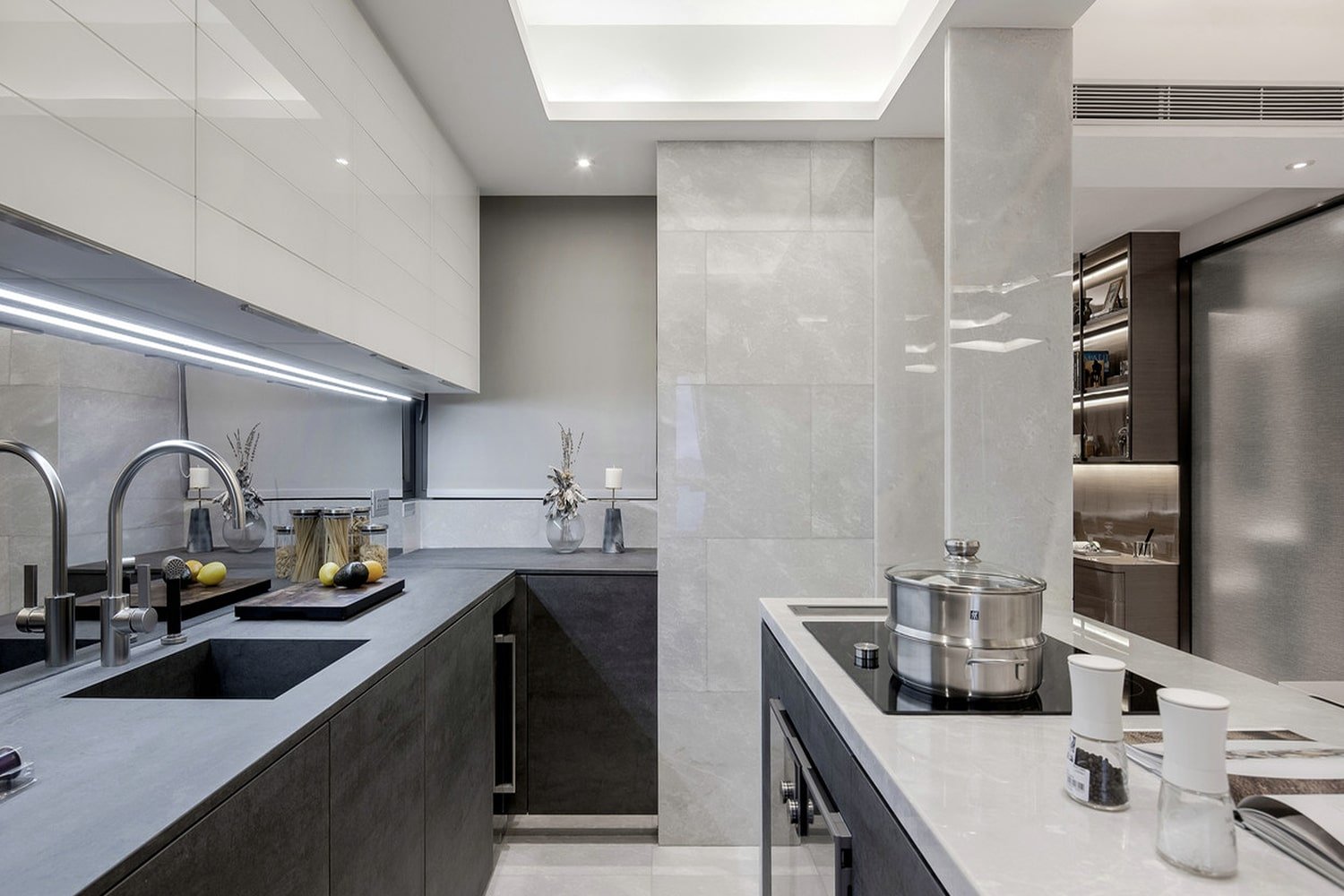
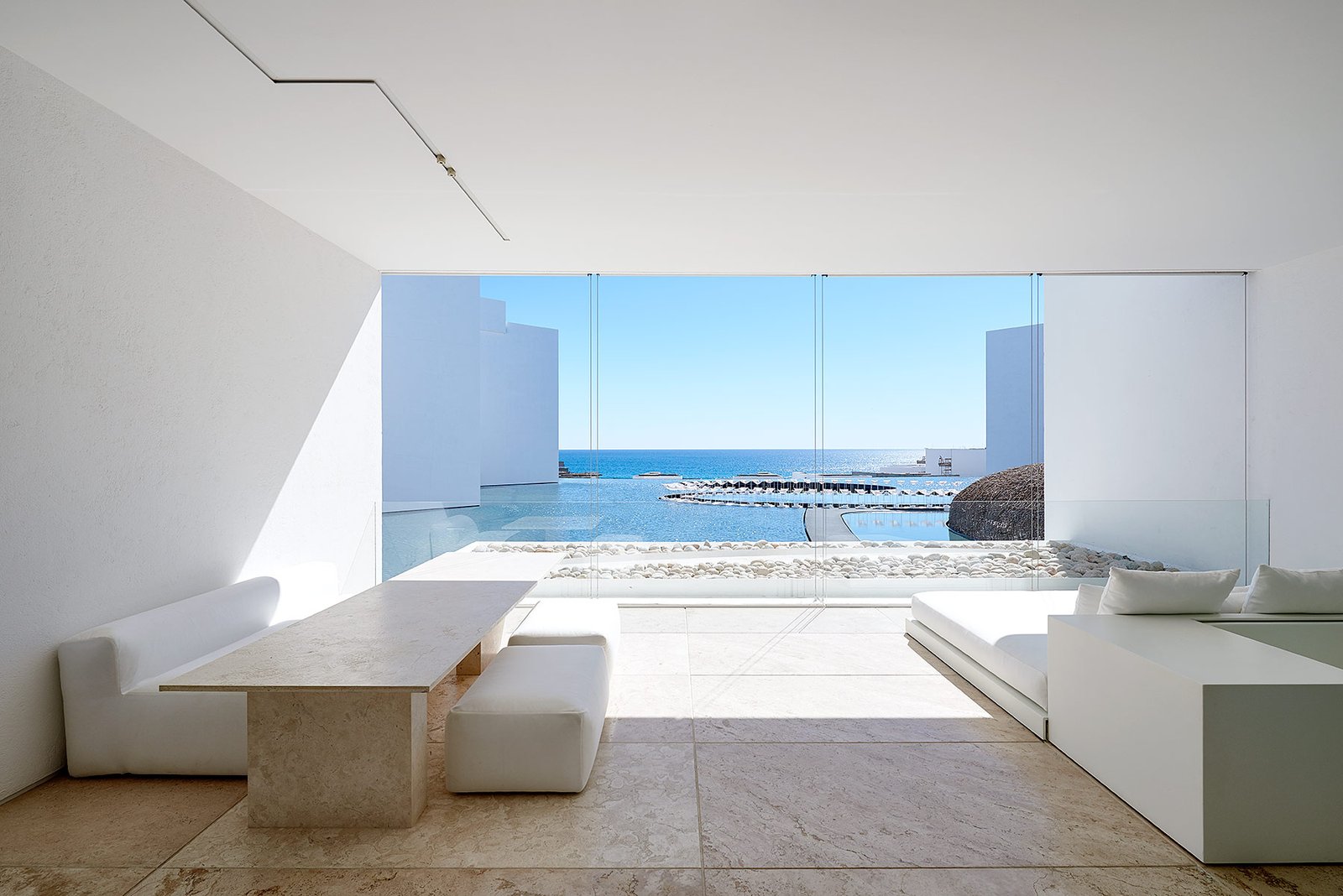
Hotel FF&E Sourcing / Project Procurement
Choosing furniture for a hotel is not the same as furnishing a home. A headboard that works in one guestroom must also work across an entire room schedule. Fabrics need to look consistent, casegoods must fit their allotted spaces, and every shipment has to arrive in the sequence the project needs.
China offers a broad range of hospitality furniture manufacturers and specialist suppliers. That choice creates opportunities, but it also makes comparisons difficult: two quotations can describe furniture that looks almost identical while differing in construction, finishes, testing, packing and delivery responsibilities.
Choosing the right hotel furniture supplier in China means evaluating much more than price. Project teams need to review manufacturing responsibilities, specifications, sampling, quality control, shipping and communication before placing an order.
This guide explains how to evaluate suppliers, compare quotations and prepare an effective hotel FF&E sourcing plan.

Start with a Clear FF&E Scope
FF&E means Furniture, Fixtures and Equipment. In a hotel project, the package may include guestroom beds and headboards, wardrobes, desks, chairs, bedside tables, lobby seating, restaurant furniture and selected fixtures.
OS&E, including linens and certain operational supplies, is normally scoped separately. Before requesting prices, project teams should make clear which categories are included in each procurement package.
Start with a schedule organized by room type and area. Include quantities, dimensions, drawings, materials, finishes and any brand or hotel-operator requirements.
A supplier can prepare a more accurate quotation when it understands whether a furniture item is required for 20 guestrooms or 200. Clear quantities also help determine production methods, purchasing requirements and scheduling.


What to include in your RFQ: Room schedule, approved drawings, product references, quantities, material and finish specifications, delivery destination, target delivery window and the person responsible for approving changes.
Understand Who Will Actually Manufacture the Products
The phrase “hotel furniture supplier” can refer to a specialist manufacturer, an exporter working with multiple factories, or a company coordinating the sourcing of several categories.
None of these approaches is automatically the best option. The right arrangement depends on the complexity of the project, the products being ordered and the level of coordination required.
Direct Manufacturer or Multi-Category Supplier?
For a project involving one standardized product category, working directly with a specialist factory may be efficient. For projects combining guestroom furniture, cabinetry, doors, lighting and bathroom products, separate suppliers can create additional coordination work.
Ask which categories the supplier manufactures directly, which are outsourced, and who takes responsibility for specifications, sampling, inspections and corrective actions.
A supplier should also explain who will answer technical questions and manage revisions after the order is confirmed.
Evaluate Evidence, Not Just Presentation
Ask for relevant examples of hospitality work and clarify what the company actually supplied. Photographs, product catalogs and showroom displays can be helpful, but they should not replace information about manufacturing capabilities and project responsibilities.
Reliable suppliers should be able to explain their production process, sample approvals and quality-control arrangements in practical terms.
Compare Specifications, Not Just Product Photos
Two sofas with a similar appearance may have very different internal frames, upholstery, foam and finishing methods. Two nightstands may look nearly identical while using different substrates, veneers or hardware systems.
Those differences affect durability, maintenance, price and suitability for repeated hotel use.
Guestroom Furniture
For beds, desks, wardrobes and other casegoods, confirm materials, dimensions, edge treatments, finishes, hardware and construction details. For upholstered furniture, review frame construction, foam and fabric properties.
Do not rely entirely on phrases such as “hotel quality” or “commercial grade.” Request specific technical requirements and supporting documentation where relevant.
Bathroom and Interior Finishes
When sourcing bathroom vanities, stone surfaces and other fitted components, review material suitability, dimensions, edge details and installation interfaces. A finish that looks attractive in a rendering still needs technical approval.
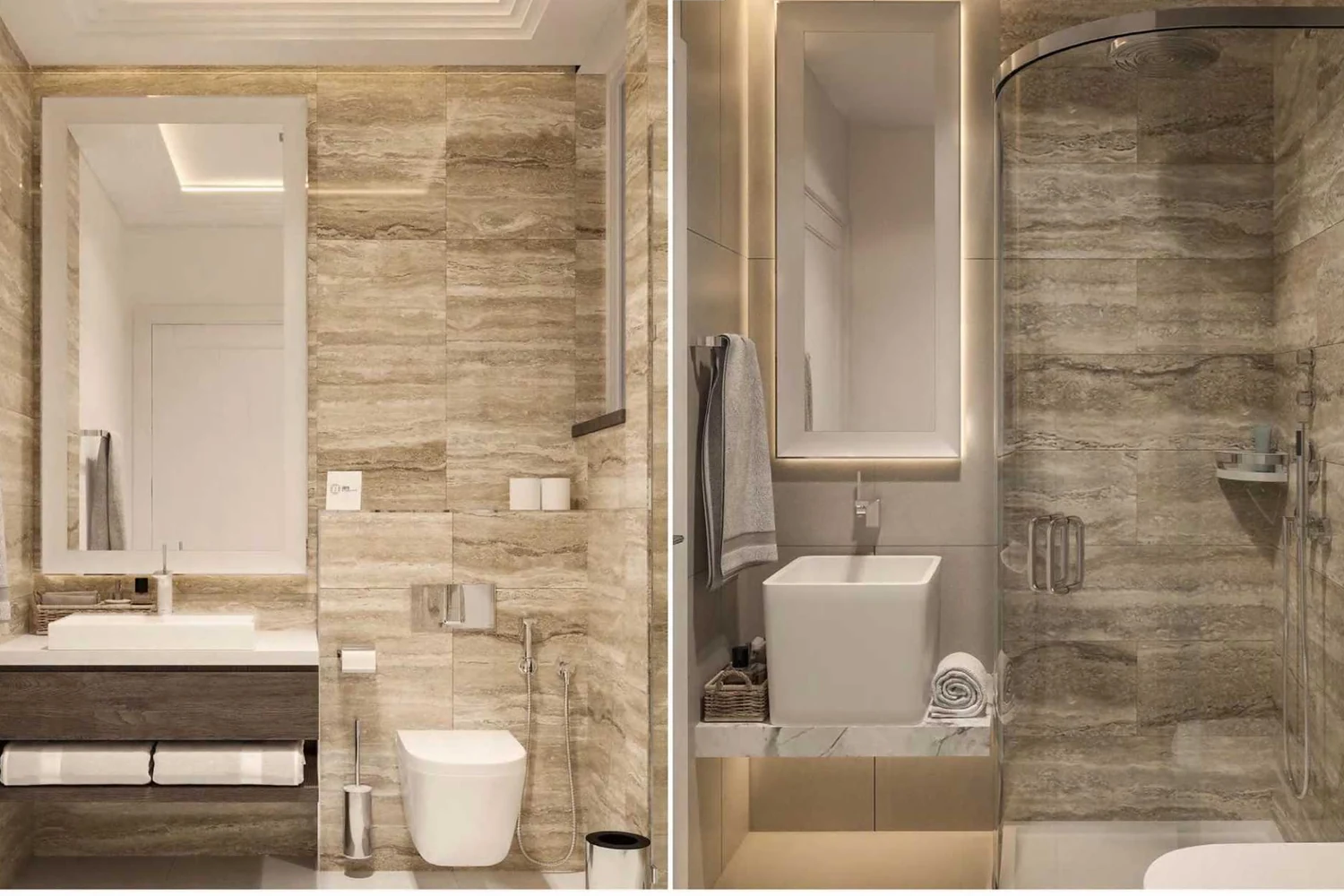
Performance and fire-safety requirements vary according to product type, project location and applicable regulations. The designer, hotel operator and compliance specialists should identify the necessary standards before production.
Comparing quotations based on consistent specifications is more useful than comparing product photographs alone.
Use Design Visualizations to Plan—and Physical Samples to Approve
Design renderings are helpful for reviewing the overall appearance of a guestroom. They communicate the intended relationship between beds, headboards, nightstands, wardrobes, desks and seating.
However, a 3D rendering is not evidence that a physical sample has been manufactured or approved.
For customized hotel furniture, request appropriate material samples, finish references and representative product samples before bulk production.
Why Mock-Up Rooms Matter
On larger hospitality projects, a physical mock-up room can help identify problems that drawings may not fully reveal. These include drawer clearance, headboard positioning, socket accessibility, furniture proportions and the appearance of finishes under real lighting.

Record approved shop drawings, finish codes, fabric references, hardware specifications and any necessary corrections. These records provide a common reference during manufacturing and inspection.
When changes are made after approval, document how they affect production costs and delivery dates.
Compare the Total Project Cost, Not Just the Unit Price
A low factory quotation may appear attractive until packaging, testing, inland transport, freight, duties and destination handling are added.
Suppliers should quote on comparable specifications and delivery terms. For example, an EXW factory price cannot be compared directly with a price that includes international shipping and destination delivery.
How Specifications Affect Furniture Cost
Custom guestroom casegoods illustrate why clear specifications matter. Their cost can change according to dimensions, substrates, veneer or laminate choices, drawer systems, hardware, finishes, production quantities and packing methods.
It is important to confirm not just the quoted figure, but also precisely what that figure includes.

What Should Be Included in the Cost Comparison?
| Cost Item | What to Clarify |
|---|---|
| Furniture Production | Approved drawings, materials, specifications, quantities and unit prices. |
| Samples & Testing | Sample charges, revisions, test requirements and inspection fees. |
| Packing & Origin Handling | Protective packaging, crates, inland transportation and consolidation. |
| Shipping & Imports | Incoterms, freight, insurance, customs duties and local charges. |
| Site Delivery | Unloading, storage, installation and replacement responsibilities. |
Also clarify how design changes will be priced and whether revised specifications affect the production schedule.
The best quotation is not necessarily the cheapest. A useful quotation clearly defines what is included, what is excluded and who is responsible for each stage.
Review Production Capability and Quality Control
Consistency matters when hundreds of similar furniture items will be installed across guestrooms, corridors and public spaces.
Before manufacturing begins, establish the approved specifications, inspection stages, methods for documenting defects and the responsibilities for corrective work.
What Should Be Checked?
For wooden components, inspection may include dimensions, surface consistency, edge finishing, panel condition and hardware preparation. For assembled furniture, checks may also include stability, function and visible finish quality.
When testing is required, use the applicable test methods and obtain relevant evidence rather than treating a visual inspection as proof of regulatory or structural compliance.
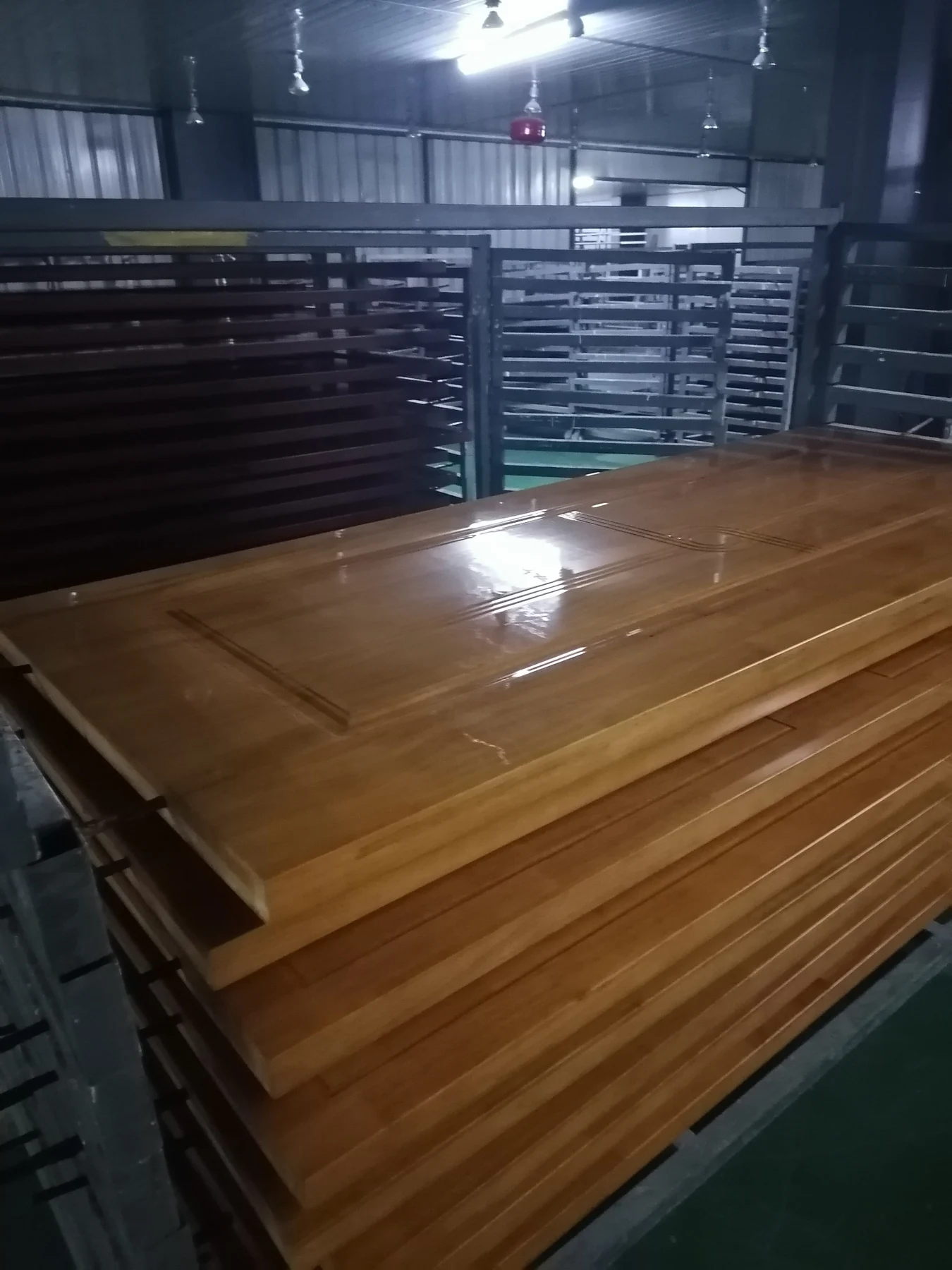
A pre-shipment inspection can help verify selected dimensions, finishes, quantities and packaging before goods leave the supplier.
The inspection report should explain exactly what was examined, which acceptance criteria were applied and whether any corrective actions are outstanding.
Consider How Multiple Product Categories Will Be Coordinated
Hotel projects often combine loose furniture with fixed cabinetry, reception counters, selected lighting, doors, wall finishes and bathroom products.
These components may come from different manufacturers, but they still need to fit together within one coordinated design and construction schedule.
Managing Product Interfaces
A customized lobby counter, for example, may involve cabinet fabrication, stone surfaces, electrical provisions and site installation. Even if each product is manufactured correctly, unclear technical interfaces can result in costly revisions.
For a multi-category project, compare the coordination required when working with many independent suppliers against the benefits of a centralized project supply partner.

The goal is not simply to reduce the number of suppliers. It is to establish clear communication, identify responsibilities and ensure that drawings, material specifications and installation requirements are consistent.
Project teams should know which manufacturer produces each item and who will resolve questions when different packages overlap.
Plan Packing, Consolidation and Shipping Early
International logistics should be considered during supplier selection rather than only after production has finished.
Furniture and building products may require different packaging methods according to their dimensions, surfaces, weight and handling conditions. Large flat panels need suitable protection and stacking, while fragile or irregularly shaped products may require reinforced crates.
What to Confirm Before Shipping
Review packing methods, product identification, packing lists, loading arrangements, shipment schedules and inspection responsibilities before a container is sealed.
When goods from multiple factories are consolidated, the project team should clarify how products will be received, checked, recorded and prepared for shipment.
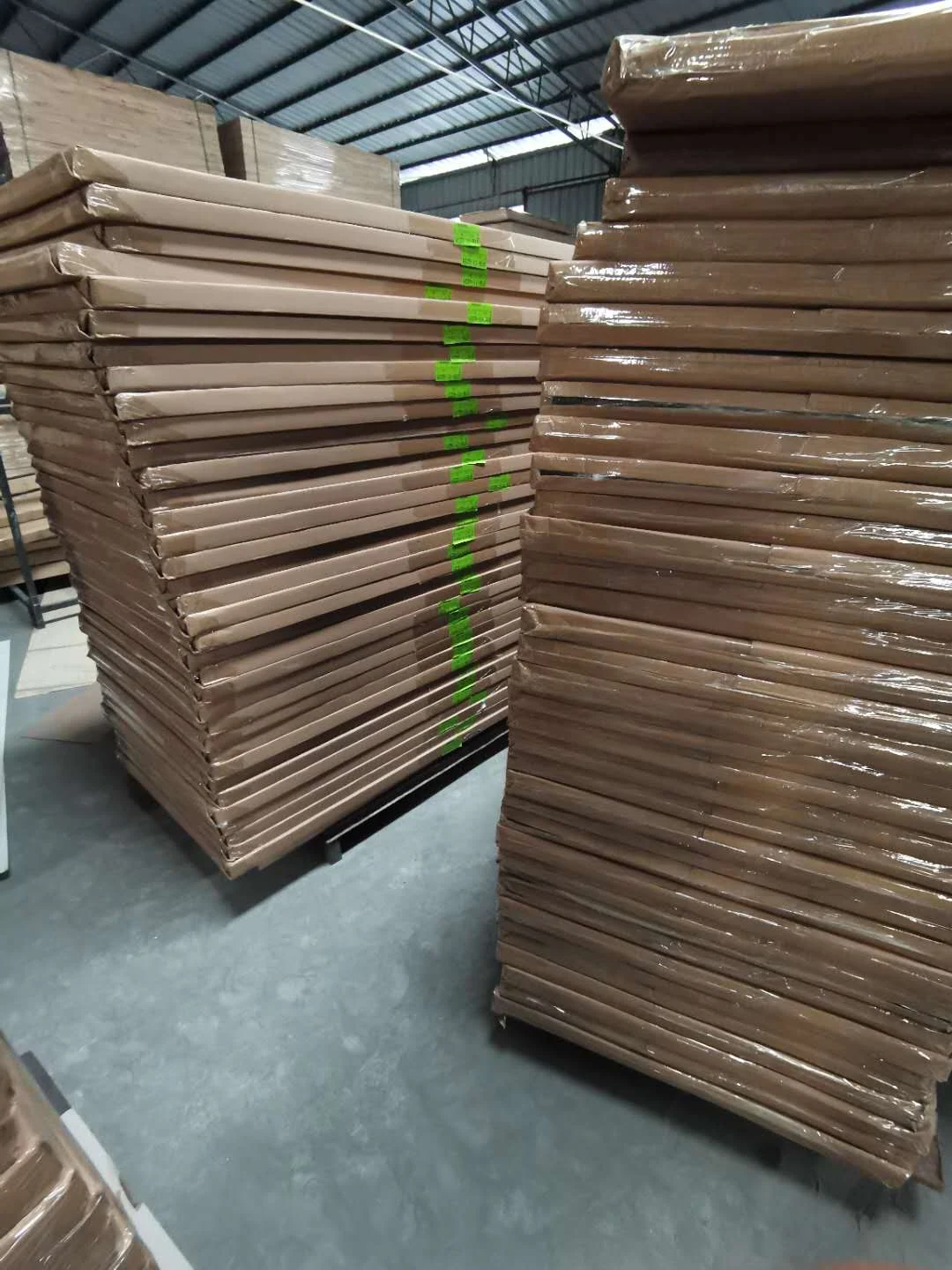
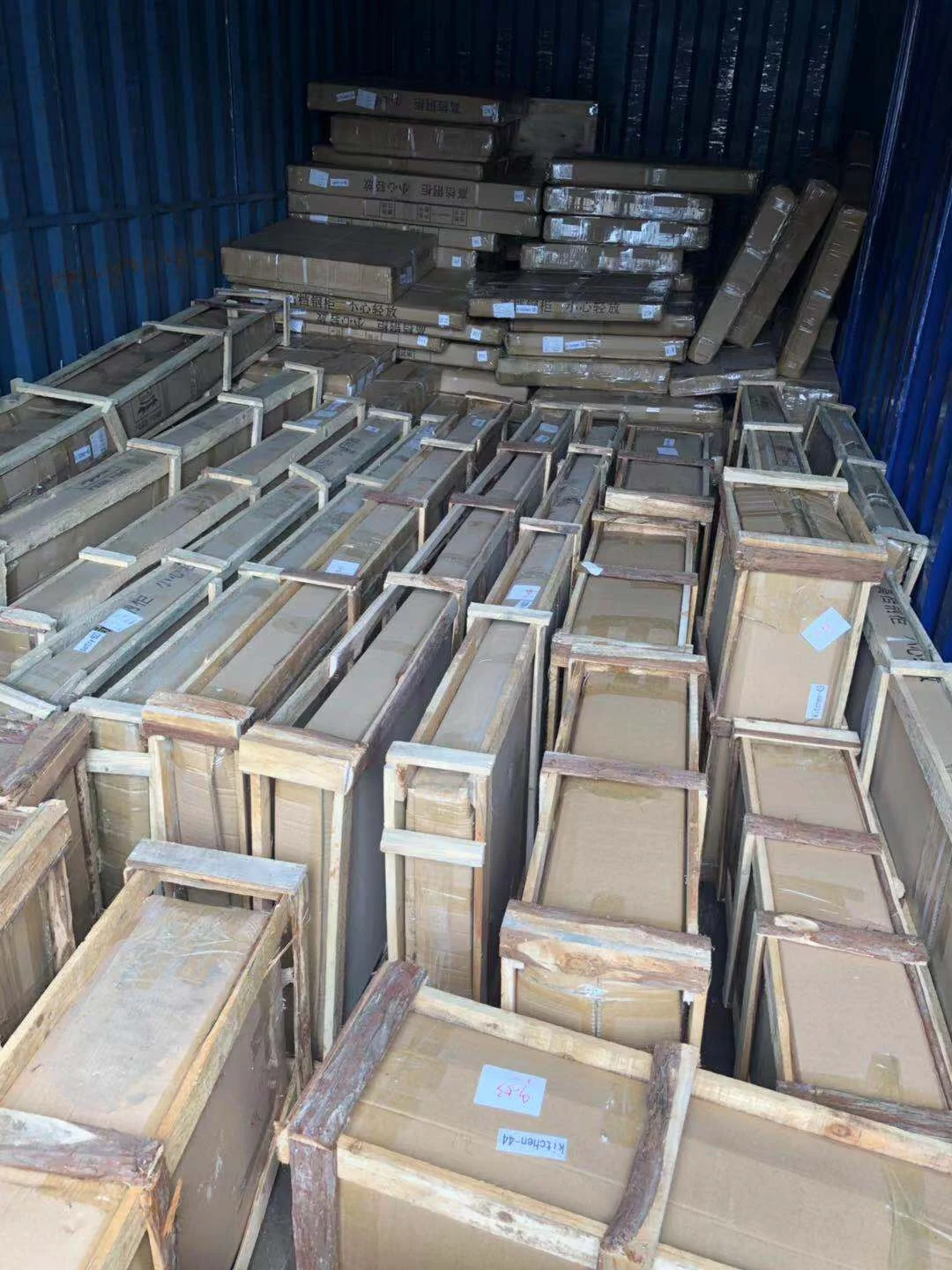
Shipping arrangements should also take account of site readiness. A container that arrives before storage is available can create problems just as easily as a delayed shipment.
For phased openings, agree on the priority order for room types or project areas and plan deliveries backward from the expected installation dates.
Questions to Ask Before Awarding the Order
Before confirming a supplier, use a consistent evaluation checklist to compare capabilities and responsibilities.
- Which products do you manufacture directly, and which do you source from other factories?
- Can you show relevant hospitality projects and clarify what you actually supplied?
- What technical drawings and samples require approval before production?
- Which materials, fittings and finishes are included in the quotation?
- How do you check production consistency across repeated furniture items?
- Which tests or third-party inspections are required, and who pays for them?
- How are design revisions, damaged goods and replacement parts handled?
- What is the production schedule, including sample approval milestones?
- Which packing, freight, insurance and destination charges are excluded?
- Who is responsible for delivery coordination and technical support?
Suppliers who ask detailed questions about room schedules, installation constraints and operator requirements may be easier to evaluate than suppliers who immediately promise the lowest price without reviewing the project scope.
How George Group Supports Hospitality Sourcing
For hotel projects involving several furniture and building-product categories, effective coordination can reduce unnecessary handovers and misunderstandings.
George Group works with international project teams on furniture, interior products and customized building-material sourcing, connecting product selection with drawings, finish discussions, production follow-up and delivery planning according to the agreed scope.
Rather than beginning with a generic product catalog, a useful first step is to share your room schedule, drawings, preferred finishes and target installation date.
This gives the project team a clearer basis for discussing suitable products, sourcing responsibilities and the information required for quotations.
The objective is a practical procurement process in which specifications, manufacturing and delivery expectations are defined before they become problems.
Frequently Asked Questions
Is sourcing hotel furniture from China always cheaper?
No. Manufacturing prices can be competitive, but the total project cost depends on materials, specifications, packing, shipping, duties, inspections and installation. Always compare quotations using consistent specifications and delivery terms.
Can hotel furniture suppliers customize guestroom furniture?
Many manufacturers offer custom dimensions, finishes and configurations. The actual possibilities depend on manufacturing capabilities, order quantities, material requirements and the sample-approval process. Confirm these details with drawings and physical samples.
Do hotel projects need physical mock-up rooms?
Not every project requires a complete mock-up room, but it can be useful for large or highly customized projects. A physical mock-up helps check furniture proportions, clearances, finish appearance and coordination with electrical and other building elements.
How early should hotel FF&E procurement begin?
Procurement planning should begin once the design and project scope are sufficiently defined for meaningful supplier discussions. Allow time for technical review, sample approvals, production, inspections, shipping and installation.
Should I source directly from a factory or use a project supplier?
Direct sourcing can be effective for a specific product category. A project supply partner may be more useful when several categories require drawing coordination, consistent finishes, inspection arrangements and consolidated delivery. The appropriate approach depends on the project.