
Building Materials / Quality Control Guide
A building material can look excellent in a showroom and still arrive at a construction site with the wrong dimensions, an inconsistent finish, missing components, or damaged packaging. For overseas buyers sourcing from China, finding these problems before shipment is usually much easier than resolving them after delivery.
Pre-shipment inspection helps buyers compare finished products with approved drawings, material schedules, samples, and purchase orders. It may cover dimensions, appearance, functionality, quantities, identification, and export packaging.
The goal is not simply to collect factory photographs. It is to establish whether the goods meet clearly defined requirements before they leave the supplier.
This guide explains what to inspect, how to plan sampling and acceptance criteria, and what international buyers should do when a building materials shipment fails inspection.
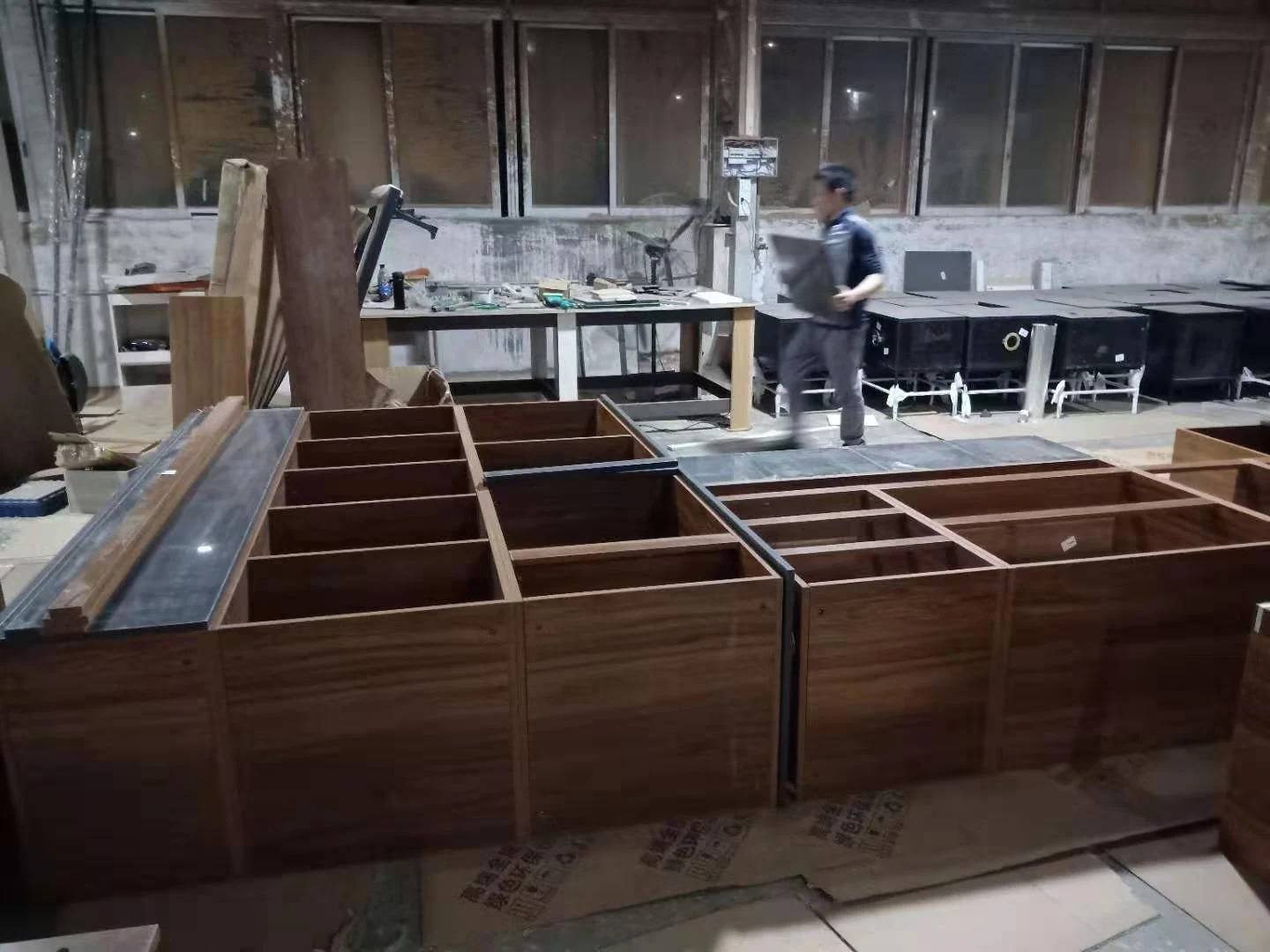
Why Building Materials Quality Inspection Matters
Construction materials may travel thousands of miles between the factory and the installation site. If a product has incorrect dimensions or specifications, correcting the problem after delivery can require replacement manufacturing, additional freight, and adjustments to construction schedules.
Custom cabinetry, windows, doors, stone surfaces, tiles, lighting, and metal components all have their own inspection risks. A cabinet might have an incorrect appliance opening; a tile shipment may contain inconsistent shades; door hardware may not match the approved schedule.
Pre-shipment inspection can identify some of these problems while the goods are still accessible. It also creates a documented basis for discussing corrective action with the supplier.
Inspection reduces uncertainty; it does not guarantee a defect-free shipment. Sampling cannot examine every component, and visual checks cannot replace product testing, certification, structural engineering, or installation inspection where those are required.
Who Should Arrange an Inspection?
Developers, contractors, architects, interior designers, distributors, and international sourcing teams can benefit from a defined inspection process. The need is particularly important for made-to-order products and large projects where consistent dimensions and finishes must be repeated across many rooms.
Four Stages of Building Materials Quality Control
1. Pre-Production Review
Before production, check the purchase order, latest approved drawings, materials, finish samples, hardware schedule, and testing or compliance requirements. A design rendering alone is rarely enough to manufacture and inspect a custom construction product.
2. During-Production Inspection
Intermediate checks can reveal machining, finishing, assembly, and material problems before they are repeated throughout the order. They are especially useful when one production method will be used for many identical units.
3. Pre-Shipment Inspection
When the agreed goods are completed and available for checking, inspect samples or designated critical items against the approved specification. Confirm the product count, condition, identification, and packaging before release.
4. Container Loading Checks
Verify package identities, container condition, handling and securing arrangements, and the goods actually loaded. Container supervision records the shipment process; it does not replace product-level inspection before packing.
What Documents Are Needed Before Inspection?
The inspector needs a clear definition of what was ordered. Without approved reference documents, it is difficult to decide whether a variation is a defect, an acceptable material characteristic, or an authorized design change.
- Purchase order and product schedule: Item codes, quantities, intended locations, and agreed scope.
- Latest approved shop drawings: Dimensions, elevations, openings, connections, and installation details.
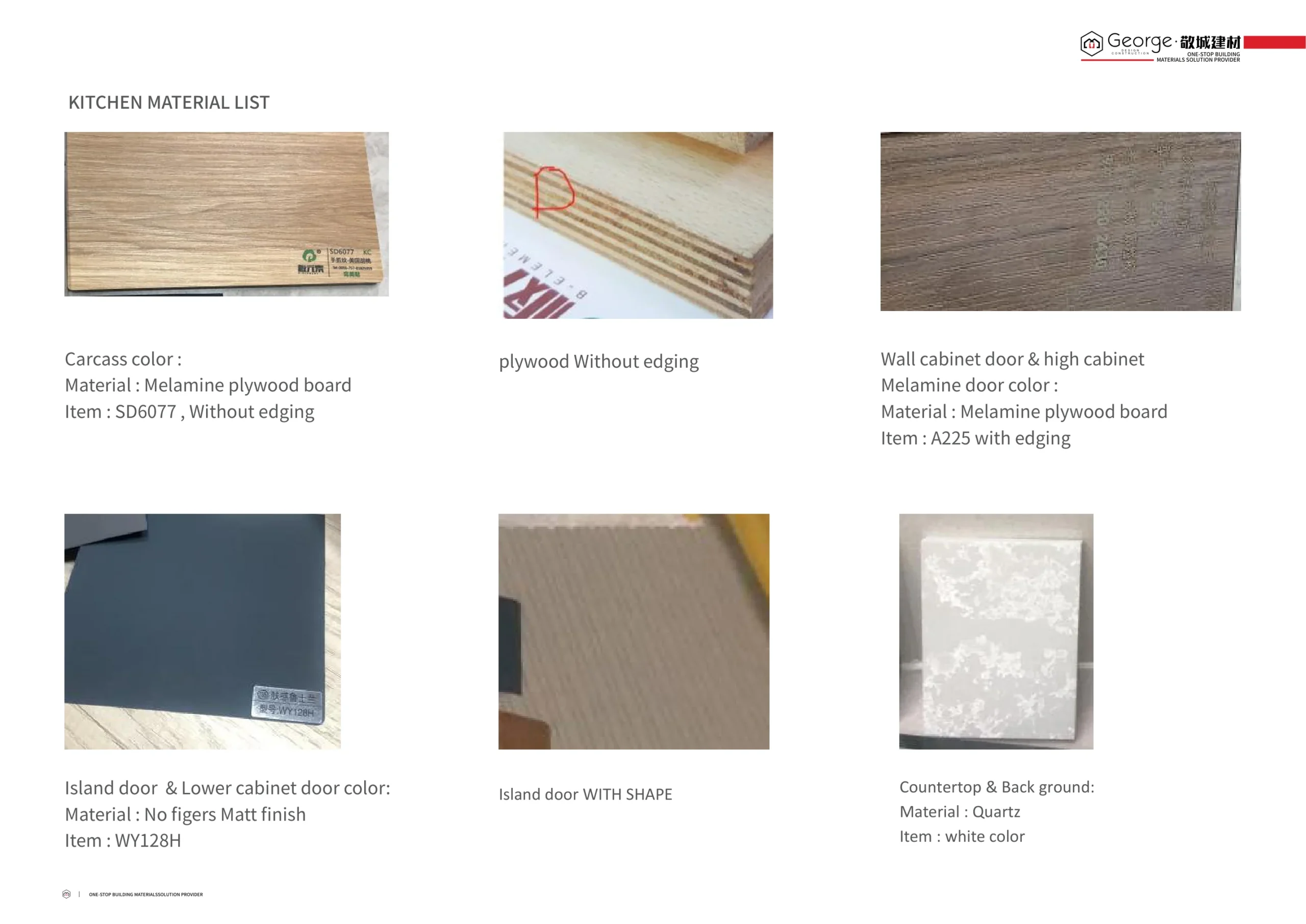
- Material specifications: Panel or substrate types, thicknesses, grades, coatings, and finishes.
- Approved samples: Color, texture, edge treatment, and workmanship references.
- Hardware list: Model numbers, accessories, and operational requirements.
- Inspection plan: Sampling method, critical characteristics, tolerances, and acceptance rules.
- Packing list: Product-to-package identification, package counts, and shipment references.
Make sure the inspection documents match the final approved revision. Using an earlier drawing may cause a correctly manufactured product to be judged incorrectly.
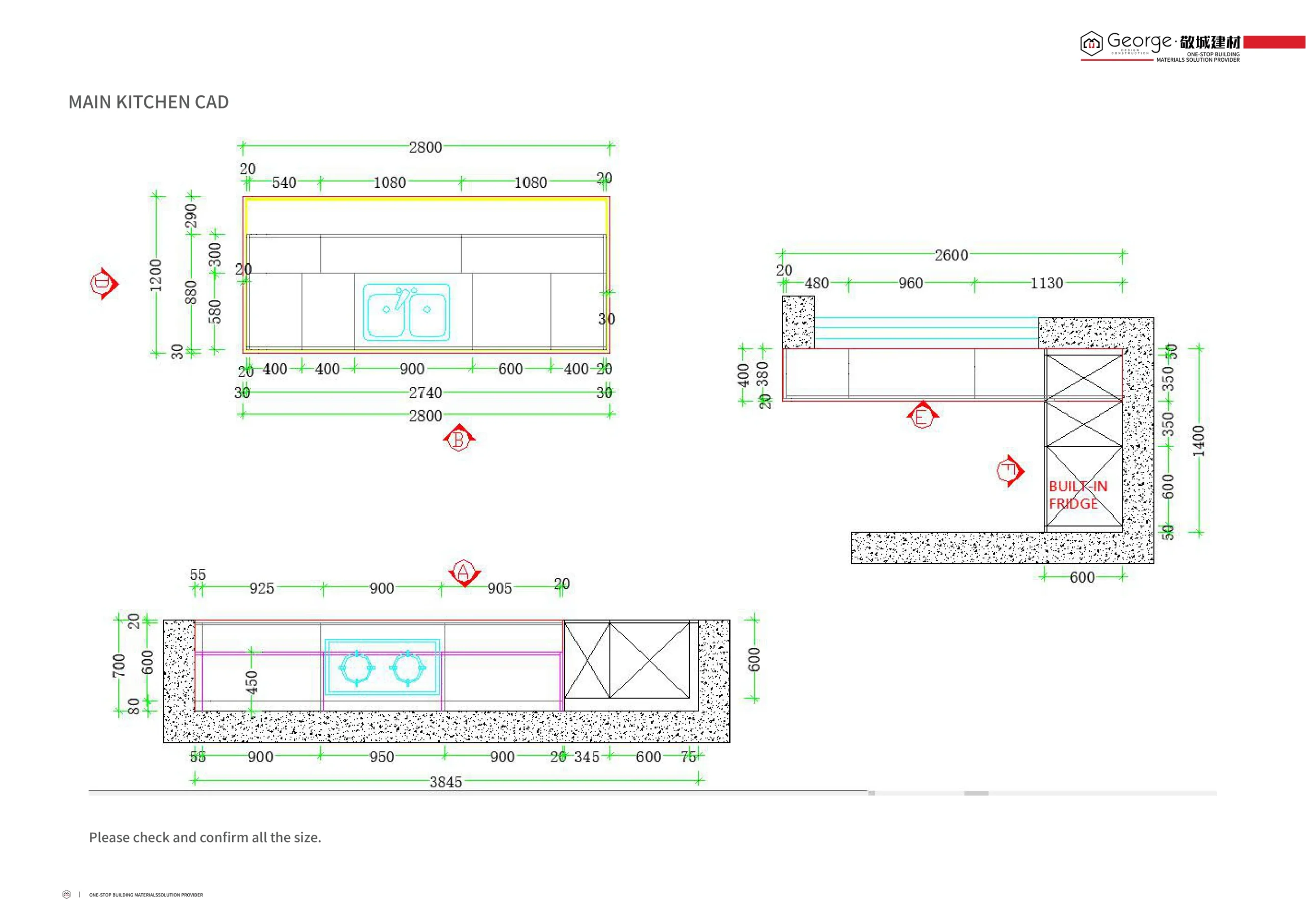
Specify the Measurements That Matter Most
Not every dimension has the same installation risk. The width of an appliance recess, the position of a hinge hole, or the overall height of a built-in cabinet may be more consequential than a minor non-functional detail. Define critical dimensions and their tolerances before inspection begins.
How to Inspect Materials and Product Specifications
A finished surface does not always reveal what is underneath. Material inspection starts by comparing approved schedules, samples, labels, and available traceability documents with the products prepared for shipment.
Verify What Was Actually Specified
For cabinetry, record which components use plywood, MDF, particleboard, or another agreed material. Confirm required thicknesses, surface treatments, and edge details. For stone, metal, or ceramic products, a different set of characteristics and testing documents may apply.
Review supporting test reports where applicable, but check that their scope, product identity, and validity match the goods. Do not treat a supplier’s general certification or an unrelated test result as proof that the actual shipment meets every requirement.
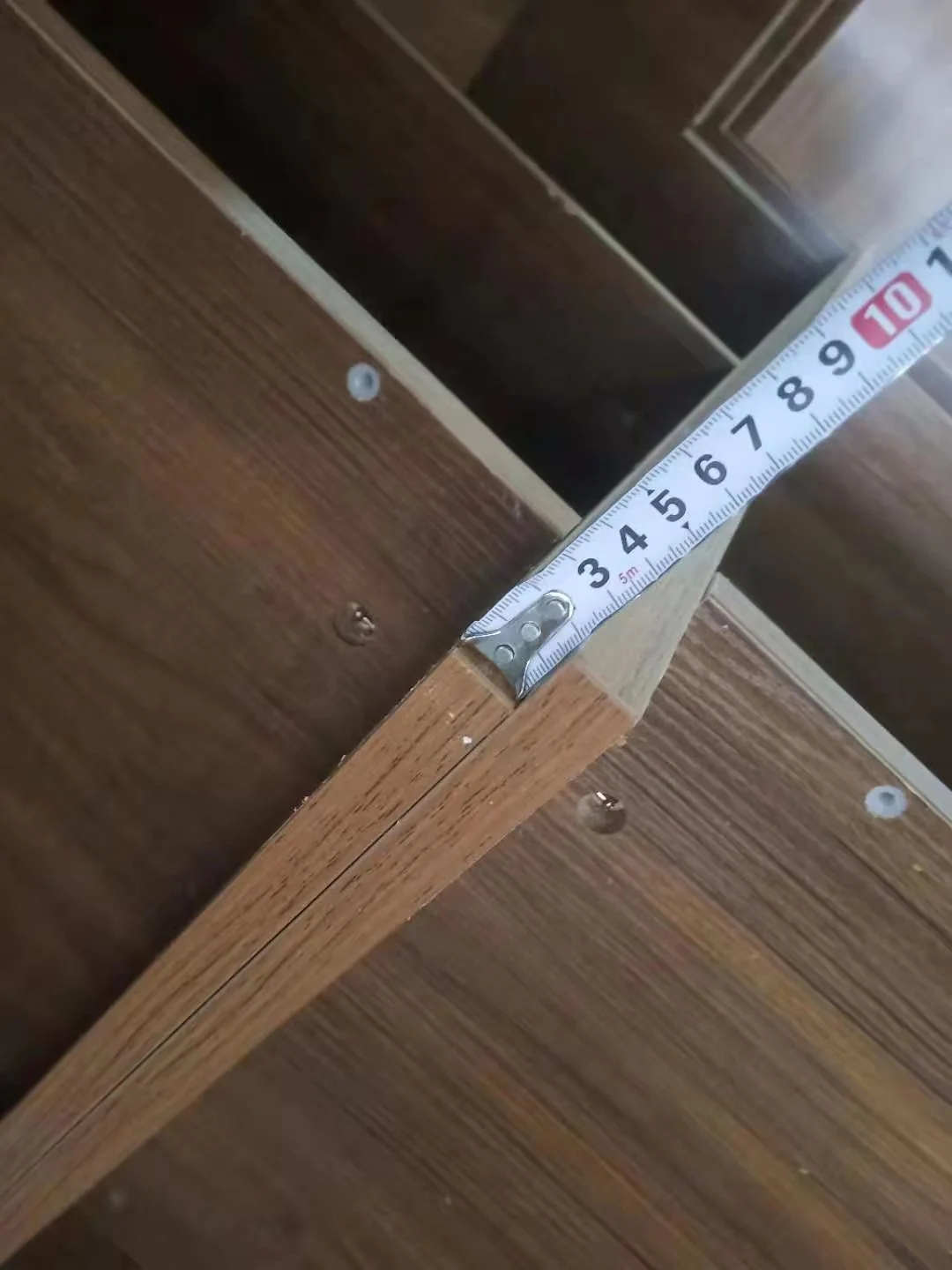
Check the Panel Core and Edge Finish
For panel-based products, a visible cut edge may help identify layered construction or obvious manufacturing problems. It cannot, by itself, establish formaldehyde emissions, adhesive performance, structural strength, or moisture resistance. Those claims need appropriate evidence and, where applicable, tests.

Review Destination-Market Requirements
Products may be subject to destination-specific rules, building codes, or project specifications. For example, fire-rated doors, safety glazing, and certain electrical products require evidence beyond a general factory inspection. Identify the applicable requirements with the importer, designer, and relevant local professionals before ordering.
Dimensional Accuracy and Visual Workmanship
Dimensional checks are essential for items that must fit into a specific opening or connect with other products. They should use suitable measurement equipment and agreed tolerances rather than an inspector’s judgment alone.
Measure Critical Sizes and Positions
Check relevant lengths, widths, heights, thicknesses, opening dimensions, hole locations, diagonals, or component alignment. Record the specified value, measured value, and pass-or-fail result. For project-specific items, verify the identification code against the drawing and room schedule.
Inspect Surface Condition and Finish Consistency
Look for scratches, chipped edges, cracked surfaces, uneven coating, dents, poor joints, and other visible defects. Compare colors and textures under agreed viewing conditions and against approved samples.
For natural stone and timber, appearance may vary between pieces. Define acceptable variations in advance rather than treating every natural mark as a defect or accepting all variation without review.
Check Identification and Quantities
A shipment may contain products for several rooms, floors, or buildings. Match piece counts and item labels to the approved schedule. Missing hinges, installation brackets, or replacement pieces can delay assembly even when the primary products are acceptable.
Hardware Inspection and Functional Testing
Moving parts require checks beyond appearance. Cabinet hinges and drawer runners, door locks, window operators, sliding mechanisms, and other accessories should match the agreed models and function as specified.
For assembled cabinetry, checks may include door alignment, opening and closing action, drawer movement, visible fixing security, and the presence of specified accessories. The inspection plan should identify which functions can be tested safely on site.
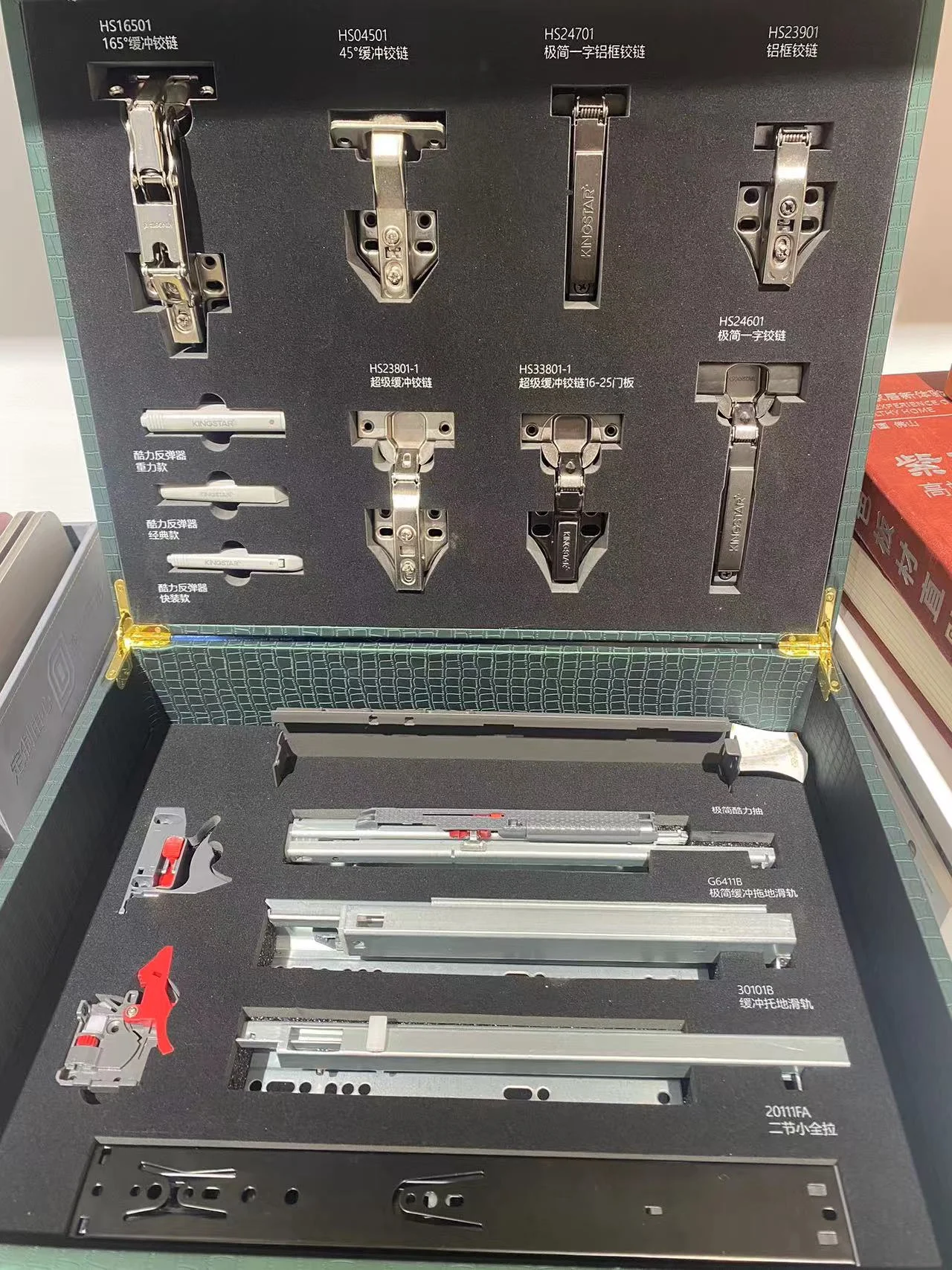
A short functional check is not equivalent to a formal durability, load, weather-tightness, or fire-resistance test. Those characteristics need appropriate testing or documentation where required.
Sampling, AQL and Acceptance Criteria
For large production lots, inspecting every item may be impractical. A sampling plan defines which items will be checked and how the results influence acceptance of the lot. Buyers should agree on the sampling approach before the inspection occurs.
What Is AQL?
Acceptance Quality Limit (AQL) is used in acceptance-sampling systems to help establish sample sizes and acceptance or rejection rules. ISO 2859-1:2026 describes AQL-indexed sampling schemes for lot-by-lot inspection by attributes.
AQL is not a promise that an accepted shipment contains no defects or that a fixed percentage of defective products is automatically permitted. The actual decision depends on the specified sampling plan, lot size, inspection rules, and observed results.
Classify Defects Before Inspection
Inspection plans commonly distinguish issues by severity. The classifications must be agreed for the product and its intended use.
| Defect Class | Typical Meaning | Illustrative Example |
|---|---|---|
| Critical | An issue with serious safety, legal, or essential-use implications | A specified safety feature is missing from a regulated product |
| Major | A substantial failure of the agreed specification or intended function | A cabinet opening does not fit the approved appliance dimensions |
| Minor | A limited deviation that does not materially affect intended use | A small finish variation within an agreed low-visibility area |
These examples are illustrative, not universal classifications. A defect may have different severity depending on the project. For safety-critical dimensions or regulated performance requirements, specific testing or complete verification may be necessary instead of relying solely on ordinary sampling.
What to Inspect for Different Building Materials
A general inspection checklist is useful, but category-specific criteria are essential. The following examples show where buyers may need to focus their attention.
| Material Category | Examples of Inspection Points |
|---|---|
| Cabinets and wardrobes | Cabinet dimensions, board specification, finish, edge details, drawer operation, labels |
| Tiles and stone | Dimensions, thickness, visible chips, shade or batch identification, surface finish, packing |
| Doors and windows | Frame dimensions, opening direction, hardware, glazing identification, seals, documentation |
| Metal fixtures | Material specification, dimensions, weld appearance, coating condition, fastening details |
| Lighting products | Model and rating labels, finish, components, packaging, applicable electrical documentation |
| Sanitary ware | Model, dimensions, visible finish, cracks or chips, accessories, specified functional checks |
The table is a planning aid, not a complete technical test protocol. For example, a tile’s slip resistance, a window’s wind-load rating, or a luminaire’s electrical safety cannot be verified from appearance alone.
Separate Cosmetic Checks from Performance Requirements
Use visual inspections for conditions that can be observed directly. Use appropriate test reports, identification records, specialist measurements, or accredited testing for characteristics that cannot. This distinction prevents a visually acceptable product from being mistaken for a fully compliant one.
What Should a Building Materials Inspection Report Include?
A useful report gives the buyer enough information to identify what was inspected, what passed, what failed, and what remains unresolved. Photographs should support documented findings rather than replace them.
- Supplier and manufacturing location, inspection date, product references, and order identification.
- Lot or shipment quantity, selected sample quantity, and sampling method.
- Approved specification and drawing revision used as the reference.
- Recorded measurements, visual and functional observations, and test results within scope.
- Clear descriptions and photographs of nonconformities, including item codes and quantities affected.
- A result or recommendation based on the agreed acceptance criteria, together with any limitations.
What If the Products Fail Inspection?
First, identify the nature and scope of the issue. A cosmetic defect affecting one replaceable panel may require a different response from an incorrect material used throughout the order.
Ask the supplier for a documented corrective-action proposal. Depending on the agreement, this may involve rework, replacement, additional sorting, retesting, or a revised delivery schedule. When corrections are completed, determine whether a follow-up inspection is necessary before authorizing shipment.
Release decision: An inspection report should inform the buyer’s decision. Shipment release, acceptance of deviations, and payment obligations remain subject to the purchase contract and the agreed approval process.
Export Packaging and Container Loading Inspection
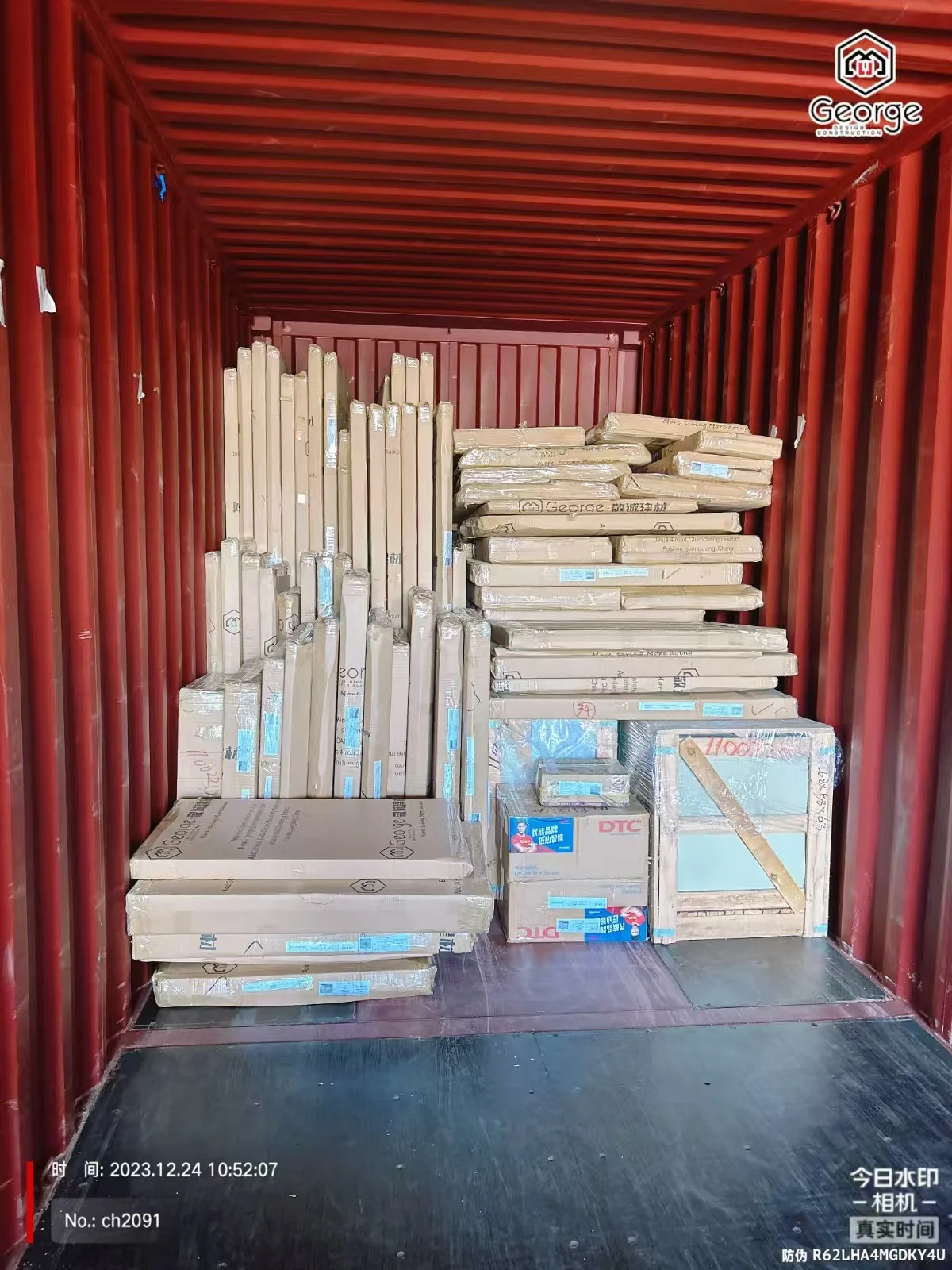
Product inspection is only one part of preparing building materials for overseas delivery. Large panels, finished doors, stone pieces, and metal components may require different protection against impacts, movement, and moisture exposure during transport.
Check Packaging Before Dispatch
Confirm the package count, component labels, protective materials, corner protection, and suitability of pallets or wooden crates where used. Match the packages to the packing list so the receiving team can identify their contents without unnecessary unpacking.
Where solid-wood packaging is used in international trade, confirm applicable destination requirements under ISPM 15. The standard concerns specified raw-wood packaging materials; some processed-wood materials are excluded. Applicability should be checked for the actual packaging and destination.
Record Container Loading
Check the container’s visible condition, package identification, stacking arrangements, and suitable securing methods. Record loading progress and the final shipment details. Heavy or fragile products may need dedicated handling and loading arrangements.
Plan the Receiving Inspection Too
After delivery, compare the received package count with the shipping documents and record visible damage before disposal of packaging. Check the reporting deadline and claim procedure agreed with the supplier, carrier, and any insurer.

Pre-Shipment Building Materials Inspection Checklist
Use the following table as a starting point. Adapt it to the products, applicable standards, project drawings, and contract before issuing it to a supplier or inspection company.
| Checkpoint | Required Verification | Record |
|---|---|---|
| Product identity | Model, item code, drawing revision, room or project reference | Labels and schedule |
| Order quantity | Completed units, components, accessories, packaging count | Count and packing list |
| Material | Agreed substrate, grade, thickness, finish, required documentation | Samples and records |
| Dimensions | Critical measurements and approved tolerances | Measured values |
| Appearance | Scratches, cracks, chips, coating, shade, edge finish | Photos and defect log |
| Function | Agreed hardware and operating checks where relevant | Test observations |
| Compliance | Applicable test reports, labels, required evidence | Document references |
| Packaging | Protection, package IDs, labels, wooden packaging requirements | Packaging photos |
| Shipment | Container condition, loading, quantities, securing arrangements | Loading record |
| Nonconformities | Defect severity, affected quantities, corrective action, recheck | Issue and closure log |
For multi-supplier projects, use the same record structure across product categories while retaining the technical checks specific to each material. This makes outstanding issues easier to review before shipping multiple orders together.
Frequently Asked Questions
What is a pre-shipment inspection for building materials?
It is an agreed examination of goods before dispatch to assess conformity with the purchase order, approved drawings, samples, and other requirements. The inspection may cover measurements, visible defects, functionality, quantities, and packaging.
Can I inspect building materials from China remotely?
Buyers can review photographs, videos, measurements, and third-party reports remotely. However, remote review has limitations. Critical characteristics may require an on-site inspector, product sampling, or laboratory testing.
What does AQL mean in quality inspection?
AQL stands for Acceptance Quality Limit and is used within defined acceptance-sampling systems. It helps determine sampling plans and acceptance or rejection criteria. It does not guarantee that accepted lots contain no defects.
Do all products need the same inspection checklist?
No. Cabinets, tiles, windows, sanitary ware, and electrical products have different inspection risks. Every checklist should include product-specific specifications and any applicable regulatory or performance requirements.
Can a visual inspection prove materials meet safety standards?
Not in general. Some characteristics can be checked visually, but fire performance, electrical safety, structural strength, emissions, and other regulated characteristics may require relevant testing, certificates, and technical documentation.
What should happen when an inspection fails?
Document the nonconformities, determine the affected quantity, request corrective action from the supplier, and verify the corrections as agreed. Whether shipment can proceed depends on the contract and the buyer’s approval.
When should inspection be scheduled?
Plan inspection requirements before manufacturing starts. Schedule pre-shipment checks when the agreed goods are available for examination and before they are dispatched or become inaccessible inside sealed packaging.
Final Thoughts: Inspect Against the Specification, Not the Photograph
Good building materials quality control starts before production. Drawings, samples, agreed tolerances, and product schedules give both buyers and suppliers a common reference. Factory checks and pre-shipment inspection can then reveal problems while they are easier to investigate and address.
For overseas projects, product identification, suitable packaging, and shipment documentation are just as important to a smooth handover. No single inspection method replaces appropriate testing or local installation checks, but a well-designed process can reduce avoidable uncertainty.
George Group supports international sourcing and project coordination for furniture, cabinetry, and building materials. Inspection and logistics arrangements depend on the products and agreed scope of each project.
Planning a Building Materials Order from China?
Share your product list, specifications, drawings, destination, and project requirements with George Group. Our team can discuss sourcing and quality-control coordination options for your order.